

- Uncertainty over possible US-Iran talks as Trump extends ceasefire |
- Bangladesh eyes broader bilateral engagements with African nations |
- Trump Extends Iran Ceasefire, Seeks Time for Talks |
- SSC and Equivalent Exams Begin Nationwide |
- US, Iran Signal War Readiness as Talks Hang in Balance |
Mideast Crisis Exposes Global Energy Fault Line
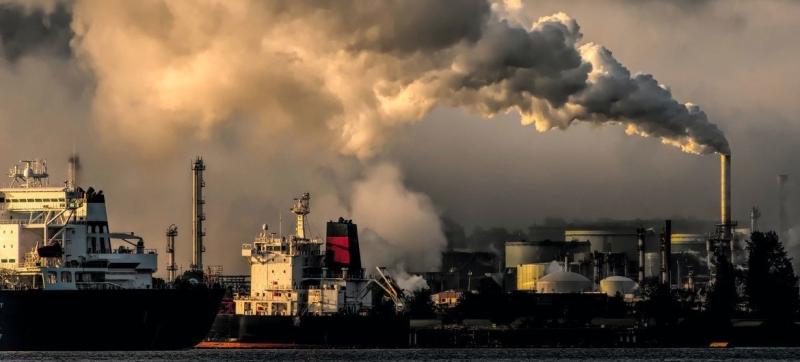
Globally, many countries still rely on fuel shipped from oil and gas producing regions.
The ongoing crisis in the Middle East is exposing a major vulnerability in the global economy: dependence on fossil fuels flowing through conflict-prone regions. The situation is also strengthening the United Nations’ case for a faster transition to cheaper and more resilient renewable energy.
The Strait of Hormuz in the Persian Gulf, through which around one-fifth of the world’s oil and gas supply passes, has been largely closed to shipping since the conflict involving Iran, the United States and Israel, along with several other regional actors, escalated about a month ago.
The disruption has already affected fuel supplies needed by countries around the world to generate power, pushing up prices and rattling global markets.
The United Nations says the bottleneck created by the near closure of the strait highlights a deeper issue: energy security is no longer only about supply, but also about resilience and the need for alternative power sources in an increasingly unstable world.
Why it matters
Concerns over fossil fuel dependence have traditionally been tied to climate change because of the greenhouse gases released when oil, gas and coal are burned. But the current crisis has also brought energy security sharply into focus.
Earlier this year, UN Secretary-General António Guterres warned that “in this age of war… our addiction to fossil fuels is destabilising both the climate and global security.”
The impact of war
Since the outbreak of war in the Middle East, several realities have become increasingly clear:
Major oil and gas supplies remain concentrated in regions vulnerable to conflict
Transport routes can be disrupted by military escalation
Price volatility can spread rapidly across economies
The bigger picture
As countries continue to rely heavily on fossil fuels to meet daily energy needs and drive economic growth, they remain vulnerable to sudden supply disruptions.
Stable and strategic international partnerships are becoming increasingly important as energy demand continues to rise.
“Three-fourths of humanity lives in countries that are net importers of fossil fuels, dependent on energy they do not control, at prices they cannot predict,” Guterres said in February.
He also warned that development budgets risk being “siphoned into fuel bills, at the constant mercy of geopolitical turmoil and supply disruptions”, adding: “We must stop treating the transition away from fossil fuels as taboo.”
The promise of renewable energy
One way to reduce exposure to the kind of crisis and instability caused by fossil fuel dependence is to accelerate the shift to renewable energy sources such as solar, wind and hydropower.
These offer a fundamentally different energy model, one that is more widely available, more secure and often cheaper.
Renewable energy is usually locally sourced and domestically produced, making it less vulnerable to the kind of global upheaval triggered by geopolitical crises.
As UN climate chief Simon Stiell said earlier this year, “Renewables are the clearest, cheapest path to energy security and sovereignty, shielding countries and economies from shocks unleashed by wars, trade turmoil and the ‘might-is-right’ politics that leave every nation poorer.”
Energy transition already under way
The transition from fossil fuels to renewable energy is already under way in many parts of the world.
In East Africa, Kenya has emerged as a global leader in renewable energy, particularly geothermal power, and now generates the vast majority of its electricity from renewable sources.
In South America, Chile has become one of the world’s fastest-growing renewable energy markets, moving away from coal-fired generation by rapidly expanding solar and wind power, helped by favourable natural conditions such as those in the Atacama Desert.
India has also made major investments in solar and wind energy and has integrated renewables into its national development and electrification plans. However, it still remains heavily dependent on oil and gas imports, much of which typically passes through the Strait of Hormuz.
The bottom line
While energy security is increasingly a geopolitical issue for governments, it is also a deeply personal one for households and communities around the world.
Rising energy prices directly affect family budgets and contribute to broader increases in the cost of living.
According to the United Nations, renewable energy is now cheaper than coal, oil or gas in many cases, meaning it can directly lower electricity costs for households.
Renewables can also help shield people from future price shocks by providing more stable and affordable energy closer to where it is needed.