

- Trump claims Iran won’t close Hormuz strait again |
- Trump says Israel ‘prohibited’ from bombing Lebanon |
- Iran, US say Strait of Hormuz is fully open to commercial vessels |
- WHO, UNICEF Urge Bangladesh to Keep E-Cigarette Ban |
- Nearly 900 Rohingya Dead or Missing in Sea Crossings |
Measles Outbreak May Last Another Month, Say Health Officials
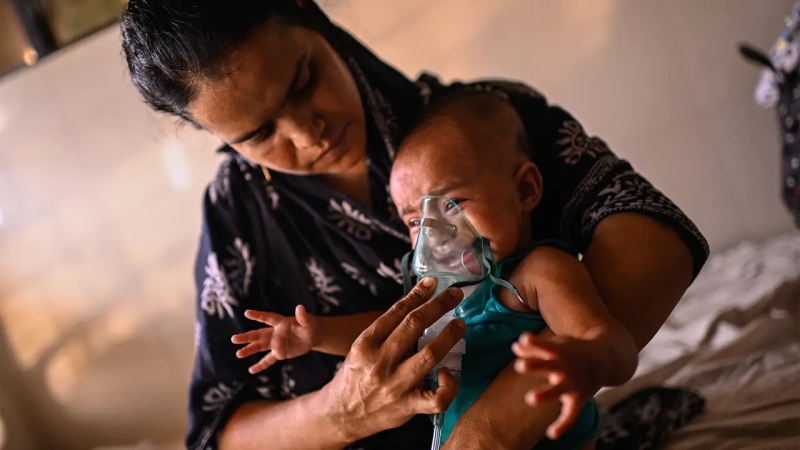
A nationwide measles outbreak has spread to 61 districts, with young children bearing the brunt of infections, health authorities said, warning that the situation may persist for another month or more.
Data from the Expanded Programme on Immunization show that around 83 percent of infected children are under the age of five, placing this group at the highest risk.
The Directorate General of Health Services (DGHS) said vaccination efforts are already underway in high-transmission areas, with a nationwide campaign set to begin on 20 April. Infected children are being treated in isolation to contain further spread.
Public health experts say a combination of mass vaccination, isolation measures and greater public awareness will be key to controlling the outbreak.
Officials warned that Bangladesh currently faces a significant immunity gap. In 2023, about 86 percent of children received the first dose of the measles vaccine, while 81 percent completed the second dose. However, the number of unvaccinated or under-vaccinated children has continued to grow in recent years.
Each year, around 3.4 million children are born in the country, and a similar number remain without full protection against measles and rubella, according to immunisation data.
DGHS Additional Director General Professor Md Zahid Raihan said targeted vaccination in hotspots has already begun and the spread is expected to slow in the coming weeks.
Health experts noted that outbreaks typically begin to decline within two to three weeks after a mass vaccination campaign, provided it is effectively implemented.
Measles remains a highly contagious disease that can affect people of all ages, though children are most vulnerable. Complications can include pneumonia, diarrhoea, malnutrition, encephalitis, and even hearing or vision loss.
Recent data show that 92 new cases were reported in a single day, along with two confirmed deaths and several additional deaths with measles-like symptoms. So far this year, more than 3,000 cases have been identified nationwide, with the highest number reported in Dhaka Division.
The outbreak was first detected this year in the Rohingya camps in Cox’s Bazar before spreading across the country.
A phased vaccination drive is already in progress in high-risk areas, with plans to expand coverage nationwide. Children aged between six months and five years will receive a dose of the measles–rubella vaccine, regardless of previous vaccination status.
Special vaccination centres will be set up in schools, healthcare facilities and community locations, with additional outreach targeting vulnerable and hard-to-reach children, including those in slums and remote areas.
Health officials acknowledged that Bangladesh’s goal of eliminating measles by 2026 is now at risk due to the ongoing outbreak. Experts stressed that sustained vaccination efforts and strong routine immunisation coverage will be essential to regaining progress and preventing future surges.