

- PM arrives in New York to attend 81st UNGA session |
- Jatri Kalyan Samity urges withdrawal of increased fuel prices |
- Global Diesel Shortage Likely to Persist Into 2027 |
- PM to Present Bangladesh Vision at UNGA: Mahdi |
- LDC graduation must strengthen, not constrain development: Titumir |
Ceasefire brings some relief for Iranians but economic outlook remains grim
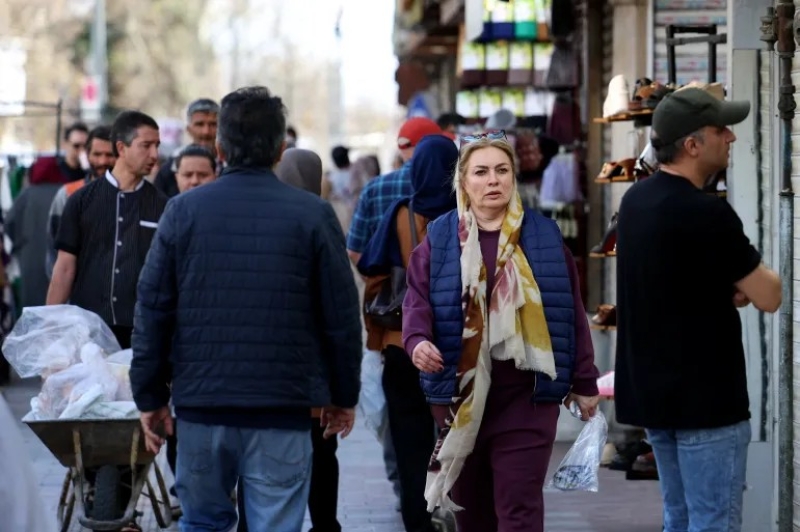
People shop at Tajrish Bazaar in Tehran, Iran on March 24, 2026 [File- AFP]
Activity picks up in Tehran’s Grand Bazaar compared with before the ceasefire, but vendors say sales remain slow.
Tehran, Iran – More people in Iran are returning to work this week as a pause in fighting provides temporary respite from bombardment by the United States and Israel, but the economic outlook remains grim for most.
In the network of narrow corridors, workshops and warehouses in Tehran’s Grand Bazaar, a commercial hub in the capital, more shops were open and for longer hours on Saturday, the first day of the working week, compared with before the ceasefire announced overnight into Wednesday.
Sales, however, continued to be slow compared with the period before the war, merchants said.
“It’s almost complete stagnation,” said a vendor, who works in the section of the bazaar selling metal goods, tools and light industrial items.
“We received new price listings for some of the products from wholesalers today, everything is about 20-30 percent more expensive” compared with listings in late January, he told Al Jazeera, adding that it was unclear when, whether, how much or at what prices new goods could be imported in the future due to the war.
The January prices, he said, also signified a similar jump compared with earlier months as they were affected by rampant inflation made worse after weeks of nationwide protests, during which thousands were killed, and the state imposed 20 days of near-total internet blackout across the country.
The Islamic Republic has imposed another near-total internet shutdown since the start of the war on February 28, which has caused countless more income streams to be wiped out for families trying to survive the bombs falling on their cities and the declining economy.
“I don’t understand how none of the authorities seem to be thinking that the internet is also crucial civilian infrastructure like the power plants being threatened by the US,” said a young woman based in Tehran, in reference to fears last week amid apocalyptic rhetoric employed by President Donald Trump. – Al Jazeera