

- Human Rights Record ‘Alarming’ Over 17 Months, Says HRSS |
- Tarique Warns of Deep Plot, Urges Vigilance Nationwide |
- Son of late ruler Gadhafi is killed in Libya |
- Special prayers, foods, charity mark Shab-e-Barat in Old Dhaka |
- Exiled Awami League Leaders Plan Political Comeback from India |
US-Russia nuclear arms pact expires, ending limits
The Kremlin on Thursday expressed regret over the expiration of the New START treaty, the last remaining nuclear arms control agreement between Russia and the United States, a development that removes all caps on the world’s two largest nuclear arsenals for the first time in more than 50 years.
Russian officials warned that the end of the pact could undermine strategic stability, while arms control experts cautioned that its collapse may open the door to an unchecked nuclear arms race.
Russian President Vladimir Putin had said last year that Moscow was prepared to continue observing the treaty’s limits for another year if Washington agreed, but US President Donald Trump did not commit to an extension. Trump has instead argued that any future arms control framework must include China, a proposal Beijing has repeatedly rejected.
US Secretary of State Marco Rubio said Wednesday that Trump believes effective arms control in the modern era is impossible without China’s participation, citing Beijing’s rapidly expanding nuclear arsenal.
The treaty’s expiration was discussed on Wednesday during talks between Putin and Chinese President Xi Jinping. According to Kremlin adviser Yuri Ushakov, Putin noted Washington’s lack of response to Russia’s proposal to temporarily extend the limits and said Moscow would act responsibly after carefully assessing the security environment.
Kremlin spokesman Dmitry Peskov said Russia views the expiration negatively and regrets the outcome, while stressing that Moscow would continue to take a cautious and responsible approach to nuclear stability, guided primarily by its national interests.
Russia’s Foreign Ministry said that with the treaty no longer in force, Moscow remains ready to take decisive military and technical steps to counter potential threats to national security. At the same time, it said Russia is open to political and diplomatic efforts aimed at stabilising the strategic situation, provided conditions for equal and mutually beneficial dialogue are created.
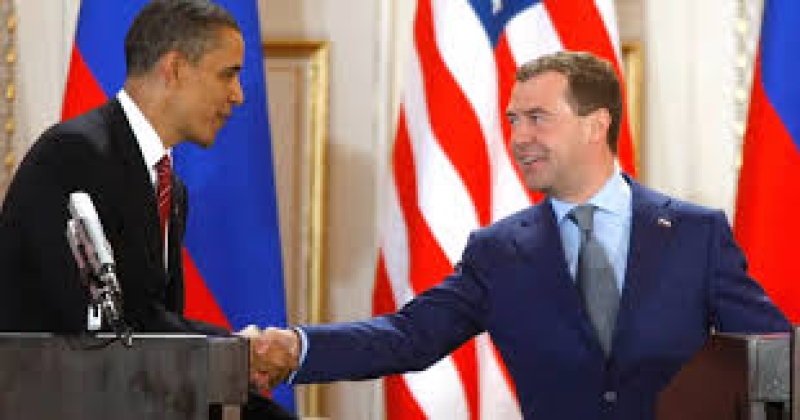
Signed in 2010 by then US President Barack Obama and Russian President Dmitry Medvedev, the New START treaty limited each side to 1,550 deployed nuclear warheads and 700 deployed missiles and bombers. It was initially due to expire in 2021 but was extended for five years.
The agreement included provisions for extensive on-site inspections to verify compliance, but these were suspended in 2020 due to the Covid-19 pandemic and were never resumed.
In February 2023, Putin suspended Russia’s participation in New START, arguing that US inspections were unacceptable while Washington and its NATO allies openly pursued Russia’s defeat in Ukraine. At the time, Moscow said it would still adhere to the treaty’s limits.
Putin later warned that the treaty’s expiration would be destabilising and could encourage nuclear proliferation, proposing a temporary continuation of its core limits to allow time for negotiations on a successor agreement.
New START was the final agreement in a series of US-Soviet and later US-Russian arms control deals dating back to the SALT I treaty of 1972.
Trump has said he supports maintaining limits on nuclear weapons but insists that China should be included in any new arrangement. During his first term, he unsuccessfully pushed for a trilateral nuclear pact involving Beijing.
China has rejected such proposals, arguing that its nuclear arsenal is far smaller than those of the US and Russia. Chinese Foreign Ministry spokesperson Lin Jian said Thursday that China regrets the expiration of New START and urged Washington to resume nuclear dialogue with Moscow and respond positively to Russia’s proposal to continue observing the treaty’s limits for now.
Peskov said Russia respects China’s position, while reiterating Moscow’s view that any broader nuclear agreement should also involve the nuclear forces of NATO members France and the United Kingdom.
Arms control advocates warned that the treaty’s collapse could trigger a dangerous new arms buildup. Daryl Kimball, executive director of the Washington-based Arms Control Association, said that abandoning arms control diplomacy could prompt Russia and China to accelerate their own nuclear expansions, potentially leading to a prolonged and risky three-way nuclear arms race, reports UNB.