

- Trump says US holding ‘very positive discussions’ with Iran over war |
- Dhaka ranks 4th among the world’s most polluted cities Monday |
- Cabinet approves tax relief for brand new electric vehicle imports |
- Energy prices surge to highest in 4 years as conflict spreads |
- 16 DIGs Among 17 Police Officials Sent on Retirement |
Civil Groups Back Solar Push, Urge Clear Action Plan
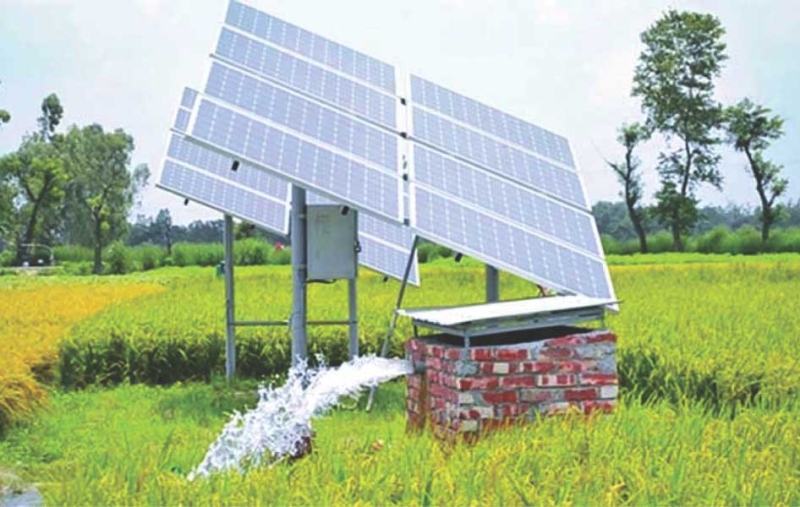
Representational image
A coalition of civil society organisations has welcomed the government’s plan to generate 10,000 megawatts of solar power by 2030, describing it as a timely and necessary step. At the same time, they stressed that without a clear, detailed roadmap, the ambition could fall short in execution.
At a discussion in Dhaka on Monday, energy experts, policymakers and civil society representatives came together to examine what it would take to turn the target into reality. The overall message was supportive but cautious: the goal is achievable, but only if planning, coordination and accountability are strengthened from the outset.
Speakers pointed out that Bangladesh’s energy sector is at a critical turning point. With growing demand for electricity and increasing pressure to reduce reliance on fossil fuels, expanding solar power is seen as one of the most practical options. However, they warned that setting targets alone is not enough. Clear timelines, defined responsibilities and measurable milestones are needed to keep progress on track.
One of the key concerns raised was the lack of policy alignment across different agencies. Participants noted that overlapping responsibilities and slow decision-making often delay renewable energy projects. They called for better coordination among government bodies, along with reforms to simplify approval processes and attract private investment.
The discussion also highlighted gaps in regulatory frameworks. Experts said existing policies need to be updated to reflect the scale of expansion being planned. This includes setting fair tariffs, ensuring grid readiness and creating incentives that make solar projects financially viable for both investors and consumers.
Institutional capacity emerged as another major issue. Expanding solar energy to the level envisioned will require skilled manpower, modern infrastructure and stronger oversight. Without these, even well-designed projects could face delays or fail to deliver expected results.
Affordability and inclusivity were also central to the conversation. Speakers emphasised that the transition to renewable energy must not place additional financial pressure on ordinary consumers. They argued for models that make solar power accessible to low-income households and rural communities, including through rooftop systems and community-based solutions.
Participants also linked the solar target to broader climate and development goals. Increasing the share of renewable energy, they said, would not only reduce carbon emissions but also improve energy security and reduce dependence on imported fuel. In the long run, this could help stabilise costs and make the energy sector more resilient.
To move forward, the organisers presented a set of recommendations. These included developing a time-bound national roadmap, strengthening regulatory institutions, encouraging public-private partnerships and investing in grid modernisation. They also called for greater transparency in project selection and implementation to build public trust.
While challenges remain, there was a shared sense that the opportunity is too important to miss. With the right policies and sustained commitment, Bangladesh could make significant progress in solar energy and set an example for other countries facing similar energy and climate pressures.