

Thursday, August 20, 2026
News update
- Trump vows 'tremendous' economic costs on Iran partners |
- Bangladesh To Elect President Today After 35 Years |
- Voting in presidential election Thursday |
- Nairobi Biodiversity Talks Set the Stage for Key COP17 Decisions |
- Indigenous Peoples Call for Meaningful Influence in Climate Discussions — Nia Tero |
Govt to implement Padma Barrage; Teesta project work to begin in 2026-27 fiscal
Staff Correspondent:
Nation
2026-06-28, 11:23pm
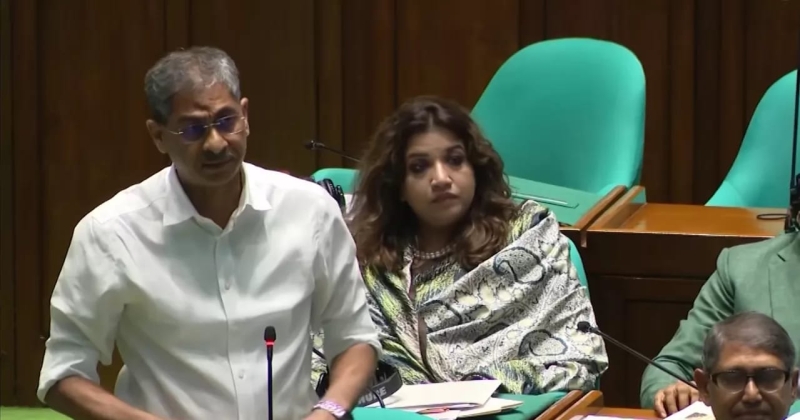
Water Resources Minister Md Shahiduddin Chowdhury Anee on Sunday said the government would move ahead with the implementation of the Padma Barrage project and begin work on the Teesta project during the current fiscal year.
He also reiterated that the BNP-led administration would pursue development rather than political vengeance.
Participating in the budget discussion in Parliament, the minister said the Padma Barrage project had already been approved by the Executive Committee of the National Economic Council (ECNEC) and the tender process would begin shortly.
"We have taken up the Padma Barrage project and it has already been approved by ECNEC. The work will begin very soon through the tender process," he said.
Referring to the long-discussed Teesta initiative, Anee said, "Whether it is implemented under the name of the Teesta Master Plan or any other name, we will implement it during this fiscal year."
He said development partners had agreed to provide technical assistance for a feasibility study and the government would complete it as quickly as possible before moving ahead with the project's implementation, similar to the Padma Barrage initiative.
Highlighting the significance of the Padma Barrage, the minister said the project would benefit nearly 70 million people.
He also said Bangladesh had received assurances of technical support for water resources management following the Prime Minister's recent visit to China.
According to Anee, both the Chinese President and the Chinese Premier assured Bangladesh of China's support for the country's overall river management, including technical assistance for the Teesta project.
Emphasising the need for political unity, Anee said the BNP had reached Parliament after a prolonged political struggle under the leadership of Begum Khaleda Zia.
"The Prime Minister spent many years in exile, Begum Khaleda Zia endured persecution and repression, and we have all come to Parliament after a difficult movement under her leadership. Unity is essential. We must rely on that unity and move forward together," he said.
Addressing Opposition Leader Shafiqur Rahman, the Jamaat-e-Islami chief, the minister recalled their time together in Kashimpur Jail during the previous administration.
"We were together in Kashimpur Jail. We prayed together, shared meals and discussed strategies to free the country from fascism," he said.
As the opposition leader made a remark from his seat, Anee smiled and jokingly asked, "Shall we go again?"
He immediately added, "We will not have to go to jail again because the people of this country are with Tarique Rahman. They stood with President Zia and under the leadership of Begum Khaleda Zia. Please do not create a situation where we have to go back again."
Rejecting allegations that the BNP government would pursue retaliatory politics, Anee said his party's response would come through development.
"We will not be vindictive. Our revenge will come through good work. Excavating 20,000 kilometres of canals is one such revenge," he said.
The minister criticised the opposition for what he described as its continued criticism of the government and reiterated that the administration's priority was development rather than political retaliation.
Highlighting the country's river erosion crisis, Anee said people living along about 4,000 kilometres of erosion-prone riverbanks on the Padma, Meghna, Jamuna, Brahmaputra and other rivers continued to suffer immense hardship.
"They do not know or understand the budget. They simply want to survive. Even as I am speaking, two, three or four kilometres of riverbanks are being eroded," he said, reports UNB.