

- River ports asked to hoist cautionary signal No 1 |
- Oil prices drop 9% & Wall Street rallies to a record after Iran reopens Hormuz |
- UNESCO Grants ‘Enhanced Protection’ to Mideast Sites |
- Solar Irrigation Cuts Diesel Use for Bangladesh Farmers |
- Trump claims Iran won’t close Hormuz strait again |
UNHCR, IOM statement on Rohingya Boat Capsize in Andaman Sea
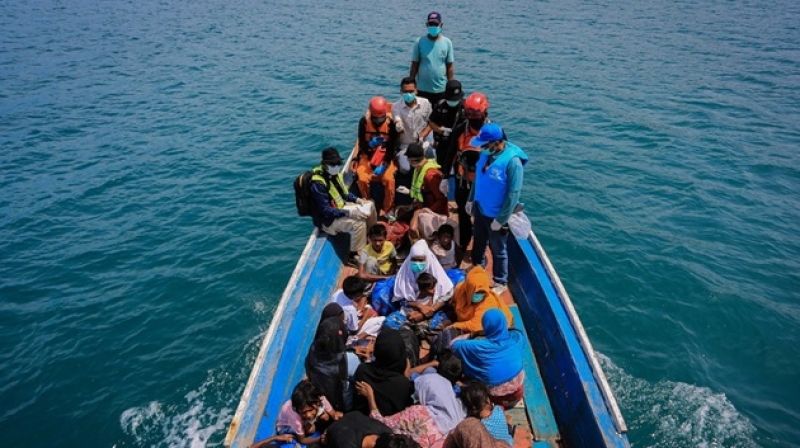
The Rohingya did not choose dependency on aid. It was created by the restrictions surrounding them. Credit- UNHCR-Amanda Jufria-
UNHCR, the UN Refugee Agency, and IOM, the International Organization for Migration, are deeply saddened by reports that approximately 250 men, women and children are missing at sea after a boat carrying Rohingya refugees and Bangladeshi nationals capsized in the Andaman Sea. The trawler, which departed from Teknaf in southern Bangladesh and was on its way to Malaysia, reportedly sank due to heavy winds, rough seas, and overcrowding.
This tragic incident reflects the dire consequences of protracted displacement and the absence of durable solutions for the Rohingya. Ongoing violence in Rakhine state has faded hopes of safe return in the near future, while shrinking humanitarian assistance,
challenging living conditions in refugee camps, and limited access to education and livelihoods are pushing refugees to take such dangerous sea journeys in search of safety and opportunity. The promise of better wages abroad, often coupled with misinformation spread by smuggling networks, drives individuals, Rohingya and Bangladeshi nationals, to take significant risks. These factors create conditions in which smugglers and traffickers can exploit vulnerabilities, placing lives at grave risk. TheAndaman Sea continues to claim the lives of people undertaking these perilous journey s.
We urgently call on the international community to step up solidarity and sustain funding to support lifesaving assistance for Rohingya refugees in Bangladesh as well as support for the Bangladeshi host communities. As Bangladesh marks its new year, this tragedy is a reminder of the efforts urgently needed to address the root causes of displacement
in Myanmar and create conditions that would allow Rohingya refugees to return home voluntarily, safely and with dignity.
Without collective action, more lives will be lost at sea and on desperate journeys through deadly routes. – IOM, UNHCR