

- Govt moves to amend Const; opposition wants reform |
- Govt Proposes 17-Member Panel for Constitution Reform |
- Energy Security Lies in in Solar Power |
- Breaking The Iron Grips of Oligarchy in Bangladesh |
- PM Unveils 12-Point Plan for Clean, Green Dhaka |
Trump Urges Iran to ‘Get Smart’ Amid Rising Tensions
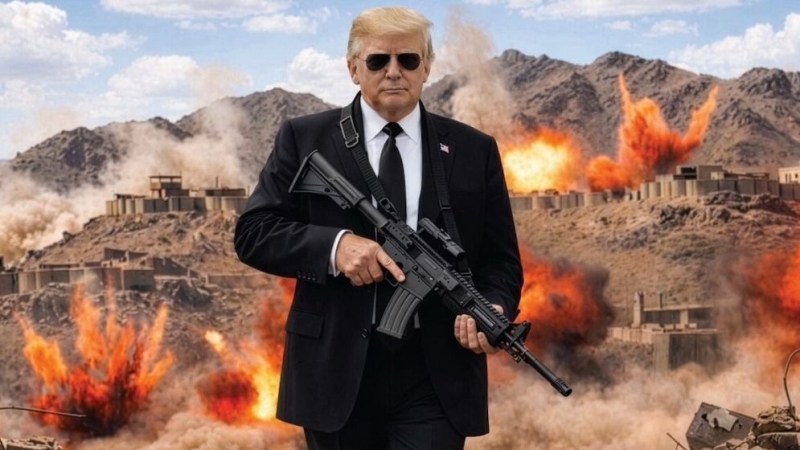
US President Donald Trump has warned Iran to “get smart soon” and comply with Washington’s demands over its nuclear programme, as tensions between the two countries continue to escalate.
The warning came as the United States intensified pressure on Tehran through a naval blockade targeting Iranian ports, further straining the country’s already fragile economy.
Reports from US media suggest that Washington has rejected Iran’s latest proposal aimed at easing tensions in the Strait of Hormuz, a key global route for oil and gas shipments. The decision has pushed oil prices higher, with global markets reacting to fears of prolonged disruption.
Trump, in a social media post, criticised Iran’s leadership and signalled a tougher stance, indicating that the US would continue its pressure campaign until Tehran agrees to stricter nuclear controls.
The standoff has had significant economic consequences for Iran. Its currency has dropped to record lows against the US dollar, while many citizens are facing increasing hardship amid ongoing sanctions and instability.
On the ground, uncertainty remains high. Iranian officials have said they do not trust the United States and warned that the conflict is not over. Military representatives indicated that Tehran still has options if tensions escalate further.
Efforts to revive negotiations have stalled in recent days. Iran had proposed a framework that included easing restrictions in the Strait of Hormuz in exchange for lifting US measures, but no breakthrough has been achieved.
Regional concerns are also growing. Mediators have warned that without a clear resolution, the situation could turn into a prolonged and unresolved conflict, adding further strain to global energy markets and regional stability.
Meanwhile, tensions continue to spill over into neighbouring regions, with sporadic violence reported despite ceasefire arrangements. Humanitarian concerns are also rising, particularly in conflict-affected areas.
As both sides maintain firm positions, the prospect of renewed negotiations remains uncertain, leaving the situation highly volatile.