

- PM Tarique Makes Surprise Visit to SPARRSO |
- Argentina Beat Jordan 3-1 to Top Group J |
- 12 Chinese companies interested to invest over $9bn in Bangladesh |
- BNP govt solved Rohingya crisis twice before, will do so again: FM |
- Venezuela earthquakes kill 920, tens of thousands missing |
Hormuz Crisis Triggers Global Minerals Supply Fears
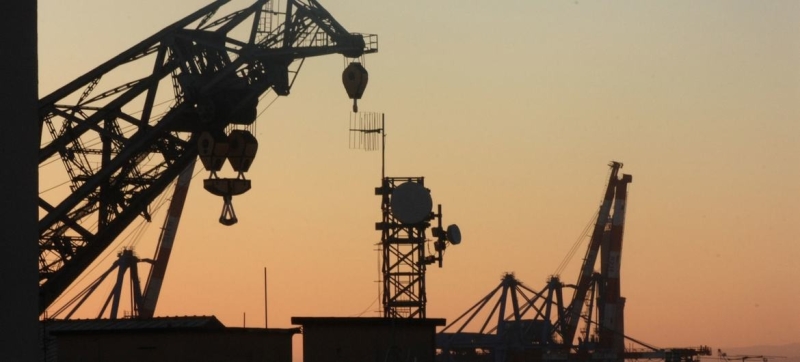
Numerous crude oil extraction byproducts made in the Gulf are unable to be shipped abroad because of the Strait of Hormuz crisis.
The ongoing conflict in the Middle East and disruptions in the Strait of Hormuz are raising fresh concerns over a potential shortage of strategic minerals critical to global industries.
The shipping crisis in the vital waterway has highlighted risks beyond oil and gas, with growing pressure on supplies of key raw materials that power sectors ranging from semiconductors to renewable energy.
Before the conflict escalated on 28 February, when Israeli and US strikes on Iran triggered wider regional tensions, global access to a broad range of minerals and related products remained stable, according to the United Nations Economic Commission for Europe.
As the conflict continues, demand for these materials has intensified, pushing up commodity prices and prompting countries to explore alternative supply sources. This shift may expand the number of nations capable of processing critical minerals, including rare earth elements.
Shock to key byproducts
Experts warn that the impact is already visible in byproducts of oil refining such as sulphur, helium and naphtha, which are widely used in manufacturing industries.
“The impact of the Gulf conflict is not limited to the energy market; it is also affecting sub-products derived from oil,” said Dario Liguti, Director of UNECE’s Sustainable Energy Division.
These materials are essential for producing fertilisers, plastics, insecticides and components used in cooling systems and semiconductor manufacturing. Naphtha, in particular, is a crucial feedstock for the chemical industry.
Industries are now expected to reduce consumption and output in response to supply constraints and rising costs. This could affect production across sectors, including solar panels, batteries and magnets.
Prior to the crisis, around 30 per cent of the world’s sulphur supply moved through the Strait of Hormuz. At that time, roughly 140 ships passed through the route daily. Now, maritime traffic has slowed sharply due to security risks and ongoing tensions between Iran and the United States.
If disruptions persist, shortages of critical minerals are likely to become more pronounced, potentially forcing industries to scale back production and driving up prices further.
Search for alternatives
To cope with uncertainty, industries are increasingly relying on existing reserves while ramping up production in other regions. Governments are also moving to secure long-term access by building strategic stockpiles.
This shift is already being felt in regional markets, particularly in South and Southeast Asia, where much of the world’s refining and processing of these materials takes place. Over time, the impact is expected to spread more widely.
Beyond immediate supply concerns, the crisis also threatens progress in the global transition to clean energy. Disruptions in fossil fuel markets are now affecting the availability of materials needed for renewable technologies.
Analysts warn that prolonged instability could slow efforts to meet international climate targets, as supply chain disruptions continue to ripple across both traditional and emerging energy sectors.