

- Fuel Queues Ease As Supply Rises, Demand Falls |
- PM says govt working to reopen closed factories |
- 7-year Sukuk worth Tk 5,900cr planned for rural bridge project |
- Unplanned bundhs worsen flooding, crop losses in Sunamganj haors |
- Trump admin says its war in Iran ‘terminated’ before 60-day deadline |
Fuel Queues Ease As Supply Rises, Demand Falls
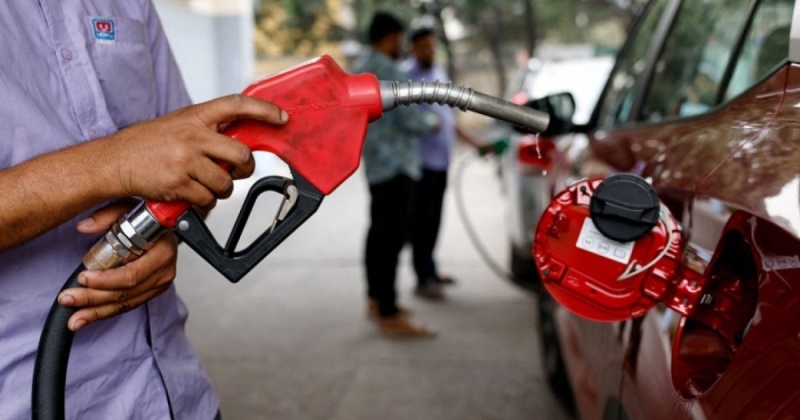
Long queues at fuel stations across Bangladesh have largely disappeared in recent days, with the situation returning to near normal after weeks of disruption.
Many filling stations are now operating smoothly, with vehicles refuelling and leaving without delays. Even at busier outlets, queues are shorter and more orderly.
Industry insiders say the pressure has eased over the past three to four days, mainly due to increased supply and declining demand. Officials from Bangladesh Petroleum Corporation and major oil marketing companies say several factors have contributed to the improvement.
A key reason is the higher volume of fuel released into the market following the recent price hike. The increase has also discouraged panic buying and illegal hoarding, which had intensified during the earlier shortage.
The introduction of a fuel pass system has helped regulate sales by preventing repeated refuelling by the same vehicles. At the same time, enforcement drives against stockpiling and tighter monitoring at filling stations have reduced irregularities.
Easing global uncertainty has also played a role. Earlier volatility in energy markets, triggered by tensions involving the United States, Israel and Iran, had led to fears of supply disruptions and a surge in demand.
Fuel sales spiked in early March, with long queues forming across the country. Although rationing measures were briefly introduced, supply shortages persisted through March and April.
After fuel prices were raised on April 18 and supply increased from April 20, the situation began to stabilise. Recent data show that supply of diesel, octane and petrol now exceeds earlier allocations, while demand is gradually declining.
Officials say there is currently no fuel shortage in the country. With adequate stocks, steady imports and ongoing domestic supply, the improved situation is expected to continue.