

- Referendum Sees 4.82cr ‘Yes’ Votes, Turnout 60.84% |
- EC Issues Gazette for 297 Newly Elected MPs |
- 9-year-old boy beaten to death over betel nut theft in M’singh |
- BNP fast-tracks cabinet plans after resounding victory |
Skills-Focused Plan for Out-of-School Children
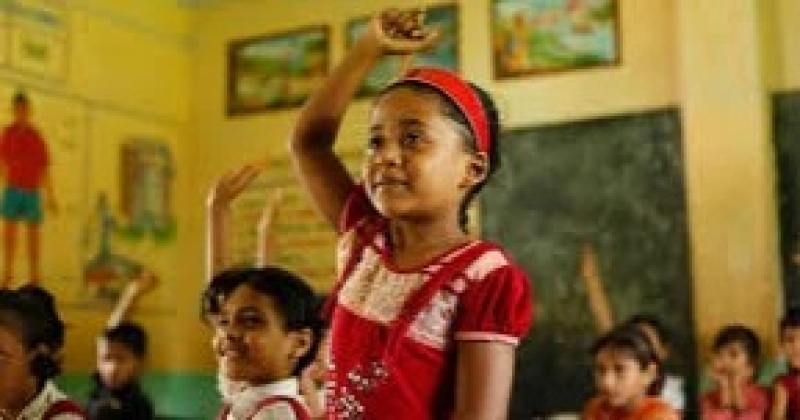
The government has moved to bring thousands of out-of-school children back into learning through a skills-based alternative education programme designed to combine basic education with practical training.
The Ministry of Primary and Mass Education has sent a Development Project Proposal titled “Alternative Learning Opportunities for Out-of-School Children” to the Planning Commission for approval. The initiative aims to restore access to education for children left behind due to poverty, migration, disability or family hardship, while also preparing them with skills relevant to the job market.
If approved, the project will be implemented by the Bureau of Non-Formal Education from January 2026 to December 2028 in selected upazilas across all 64 districts.
The estimated cost of the project is Tk 158.73 crore. Of this, Tk 147.03 crore will come from the national exchequer, while Tk 11.70 crore will be provided as assistance by UNICEF.
The programme will offer flexible, non-formal primary education for children who never enrolled in school or dropped out early. Alongside literacy and numeracy, participants will receive basic livelihood-oriented skills training.
Key activities include mapping surveys to identify eligible children, delivery of education and skills modules, monitoring and evaluation, and distribution of learning and training materials.
Although Bangladesh has achieved major progress in expanding access to primary education, gaps remain. The country met the Millennium Development Goal of universal primary enrolment and reduced dropout rates, yet a significant portion of the population still lacks formal education.
According to official data, 22.10 per cent of people aged 15 and above remain illiterate. The 2022 Labour Force Survey by the Bangladesh Bureau of Statistics shows that 28.7 per cent of working individuals have no formal education, while 24.5 per cent completed only primary schooling. Only about one-third reached secondary level.
Officials say the new initiative is designed to prevent children from falling permanently outside the education system. By linking learning with practical skills, the project aims to make education more relevant and open a pathway back to mainstream schooling.
Education experts note that investing in out-of-school children is both a social responsibility and an economic necessity, warning that without intervention many remain vulnerable to child labour, long-term poverty and exclusion.