

- Trump Says US-Iran Peace Deal Near, Tehran Cautious |
- Qatar earn first ever World Cup point with late goal |
- Vinicius earns Brazil draw with Morocco in World Cup opener |
- PM urges every citizen to plant tree to ensure clean environment |
- Indian Air Force AN-32 Transport Aircraft Crashes During Landing in Assam |
Trump Says US-Iran Peace Deal Near, Tehran Cautious
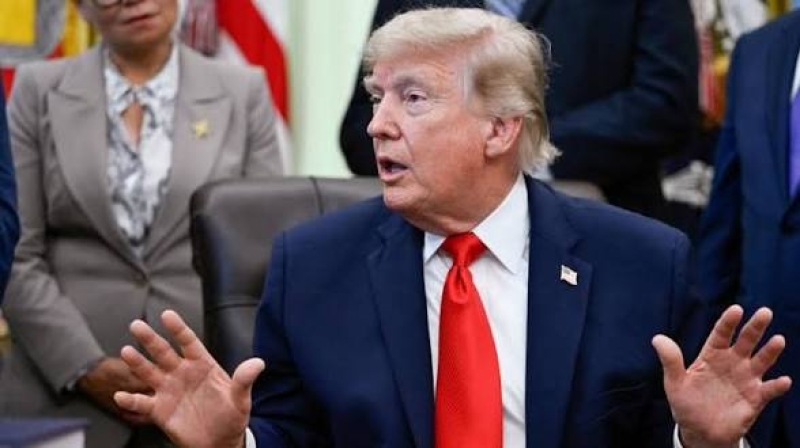
US President Donald Trump said a proposed agreement aimed at ending hostilities between the United States and Iran could be signed on Sunday, although Tehran has questioned the timeline and signalled that negotiations are still ongoing.
In a post on Truth Social, Trump said the agreement would lead to the reopening of the Strait of Hormuz, a key global shipping route that has remained disrupted amid regional tensions.
“The Deal is scheduled to get signed tomorrow, and immediately after it is signed, the Hormuz Strait is OPEN TO ALL,” Trump wrote.
He also referred to Iran’s enriched uranium stockpiles, saying they would be addressed “at the appropriate time” and later destroyed. Trump warned that if negotiations failed to proceed “quickly, easily and smoothly,” Washington had “the ultimate alternative,” without elaborating further.
Pakistan, which has played a mediating role in the talks, indicated that an agreement could be close. Pakistani Prime Minister Shehbaz Sharif said both sides were nearer than ever to reaching a breakthrough.
“With finalisation likely expected in the next 24 hours, Pakistan is preparing for the electronic signing of the peace deal immediately after, followed by technical-level talks next week,” Sharif wrote on X.
However, Iranian officials appeared more cautious over the proposed timeline. Iranian Foreign Ministry spokesperson Esmaeil Baghaei said a memorandum of understanding was expected but suggested no immediate signing was planned.
“We will have to wait and see about the exact date of the signing of the memorandum of understanding, although it will not be tomorrow,” Baghaei said.
On Friday, Iranian Foreign Minister Seyed Abbas Araghchi said an agreement with Washington was close and could include an end to the conflict involving Israel and Hezbollah in Lebanon.
According to Araghchi, the proposed deal would reopen the Strait of Hormuz and ease restrictions on Iranian ports, while discussions over Tehran’s nuclear programme would take place later.
US officials have confirmed parts of the proposed framework, saying any economic relief for Iran would depend on Tehran meeting its commitments.
The latest push comes after several earlier efforts to secure an agreement collapsed during the final stages of negotiations.
The conflict escalated on February 28 following US and Israeli strikes inside Iran, triggering retaliatory attacks by Tehran on Israel and US-allied states in the Gulf, as well as disruptions to shipping through the Strait of Hormuz.
Although a ceasefire was reached in April, tensions have continued, with both sides exchanging intermittent strikes, including retaliatory attacks earlier this week.