

- Human Rights Record ‘Alarming’ Over 17 Months, Says HRSS |
- Tarique Warns of Deep Plot, Urges Vigilance Nationwide |
- Son of late ruler Gadhafi is killed in Libya |
- Special prayers, foods, charity mark Shab-e-Barat in Old Dhaka |
- Exiled Awami League Leaders Plan Political Comeback from India |
Staff shortage cripples Tk153cr Saidpur Railway Workshop
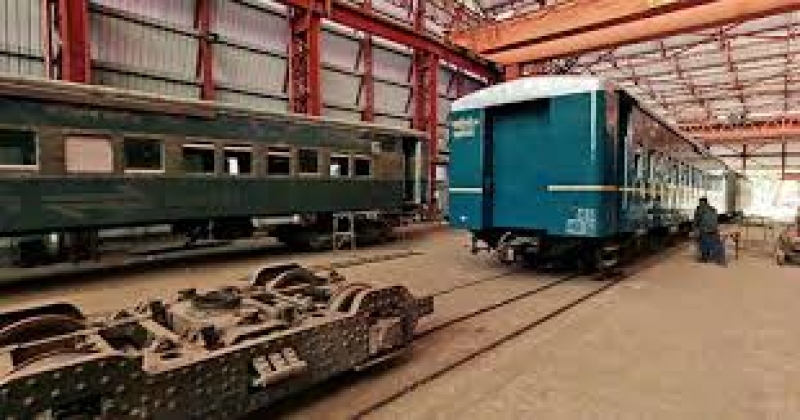
Once considered the backbone of Bangladesh’s railway maintenance network, the Saidpur Railway Workshop in Nilphamari is struggling to keep operations running amid a prolonged manpower shortage, leaving modern machinery worth approximately Tk153 crore unused and slowly falling into disrepair.
Despite being the country’s largest railway workshop, the facility is currently operating with barely a quarter of its sanctioned workforce.
Officials and workers cite a severe shortage of skilled personnel, coupled with inadequate budget allocations and delays in raw material supply, as key factors hampering production and maintenance activities.
Established in 1870 during the Assam–Bengal Railway era, the Saidpur Railway Workshop spans over 110.29 acres and houses 27 sub-units.
The facility is responsible for repairing broad-gauge and meter-gauge passenger coaches and freight wagons, maintaining steam relief cranes, and handling carriages and wagons damaged in accidents.
Around 1,200 types of spare parts for coaches, wagons, and locomotives are also manufactured onsite.
In 2017, the workshop underwent a Tk153 crore modernisation to enhance capacity and quality. The project upgraded 17 workshops for coach and wagon repairs, installing 43 mechanical and 13 electrical machines, along with deep tube-wells and an overhead water tank.
However, the benefits of this modernisation have largely gone unrealised due to a shortage of trained manpower. Many of the costly machines now sit idle, gradually becoming unusable.
Currently, the workshop has 2,859 sanctioned positions for officers and workers, but only 716 posts are filled, leaving 2,143 vacancies.
The manpower deficit has made it impossible to meet daily carriage repair targets; while the goal is three coaches per day, the workshop manages only two. Besides, no skilled workers are available in its 27 shops to operate 740 machines.
Budget constraints exacerbate the problem. Delays in raw material supply and complications in the bidding process have forced the workshop to either wait for necessary materials or use substandard alternatives, wasting manpower, time, and electricity to rectify defects.
Saidpur caters to railway maintenance needs across the country despite being located in the western zone.
Mominul Islam, Senior Sub-Assistant Engineer of the Carriage Shop, said, “Only 85 employees are working against 395 sanctioned posts in the carriage shop alone. The manpower shortage is affecting overall operations and production. Maintenance schedules have been disrupted and repair of special train rakes and assembly of newly imported trains are being delayed.”
Sheikh Robaitur Rahman, secretary of the workshop unit of the Railway Workers’ Union, noted that each carriage requires periodic overhauling every four years and general overhauling every 12 years.
“But due to manpower and raw material shortages, many carriages have remained unrepaired for years,” he said, urging immediate recruitment and timely supply of raw materials to restore production, reports UNB.
Divisional Superintendent Shah Sufi Nur Mohammad said that 289 workers were recruited in khalasi posts in 2023, yet many positions remain vacant.
He said workers are currently putting in extra hours to keep production going and that once vacancies are filled and funds allocated, the workshop will return to full operation.