

- Spain Beat Argentina to Lift Second World Cup Title |
- Journos should be storytellers; avoid overreliance on AI |
- World Cup integrity questioned by European rights body |
- Govt Slashes FIFA World Cup Broadcast Cost: Swapon |
- Biman plans to lease 10 aircraft by 2027: Millat |
Railway Income Grows Tk221cr, But Costs Remain Higher
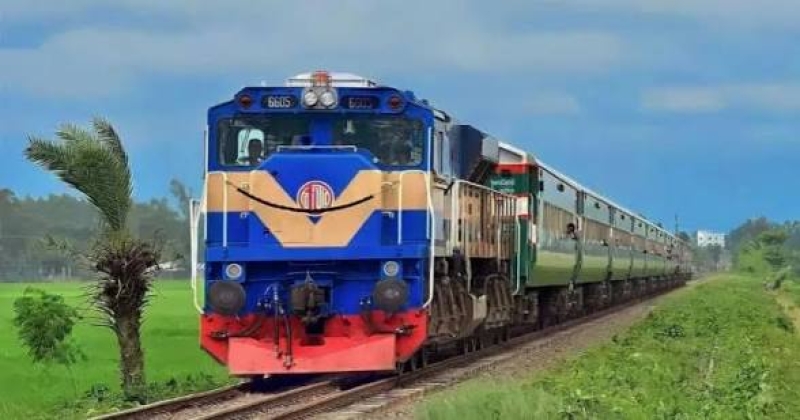
Bangladesh Railway’s revenue increased by Tk221 crore in the 2025-26 fiscal year, but its expenditure remained significantly higher than earnings despite a modest improvement in its operating performance.
The railway earned Tk2,066.38 crore in FY26, compared to Tk1,845 crore in the previous fiscal year, according to official data.
However, total operating expenditure, including salaries, allowances, pensions, and maintenance of tracks and rolling stock, reached Tk3,955 crore. As a result, the expenditure-to-income ratio improved to 1.91 from 2.09 in FY25, but spending still remained almost double the earnings.
The rise in revenue was mainly driven by passenger services, which generated Tk256 crore more than the previous year.
However, freight earnings declined by Tk8.34 crore due to a shortage of locomotives, while income from transport and commercial activities, including bidding licences and other sources, dropped by around Tk24.34 crore.
Revenue from railway-owned land and property increased by Tk3 crore, while leasing optical fibre infrastructure generated an additional Tk11.52 crore.
Railway authorities said around Tk1,000 crore in annual pension payments should not be considered part of operating expenses. Excluding pension costs, total expenditure stood at Tk2,955 crore, reducing the operating ratio to 1.43, meaning non-pension expenses exceeded income by 43 percent.
The railway said train fares have remained unchanged since 2016, while maintenance costs, imported materials, staff salaries and fuel expenses have increased significantly due to inflation and exchange rate fluctuations.
Officials said a rational adjustment of fares in line with current costs in other transport sectors could have helped reduce the gap between revenue and expenditure.
The authorities argued that considering pension obligations and rising operational costs, it would not be accurate to describe Bangladesh Railway as a loss-making organisation.