

- Court Denies Bail to 27 Detained From Jasad Office |
- Bangladesh Plans Major River, Canal Restoration Drive |
- Solar irrigation brings savings, extra income to Jhenaidah farmers |
- ADB Approves $100m Loan for Affordable Housing in Bangladesh |
- No Respite From Poisonous Air: Radical Cure Urgent |
Govt Targets $2b Jute Exports by 2031
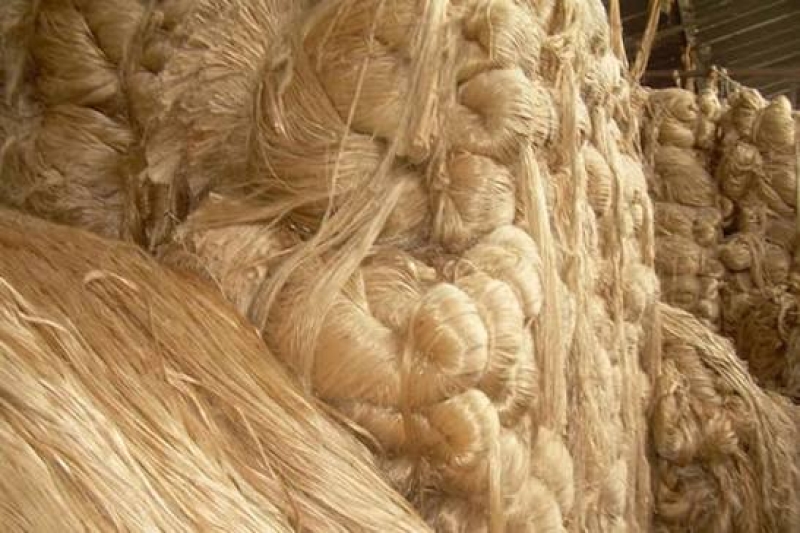
The government has set a target of earning $2 billion annually from jute and jute products by 2031 as it prepares a five-year action plan to revive and expand the sector.
The target comes as jute exports show signs of recovery, with earnings rising 37.09 percent year-on-year to $162.5 million in the first two months of fiscal year 2026-27, according to the Export Promotion Bureau.
Jute exports earned $118.6 million during July-August of FY26. Export earnings also increased 7.75 percent last fiscal year to $883.7 million from $820.8 million in FY25, although FY25 marked the sector’s lowest earnings in 12 years.
The latest figures indicate growing international demand for jute-based home furnishings, shopping bags, technical textiles, garments, gardening products, automobile components and packaging. Jute-stick charcoal is also finding markets in China and other countries.
During July-August, exports of raw jute increased 36 percent, jute yarn 58 percent and other jute products 48.15 percent. Earnings from jute sacks and bags, however, declined 13 percent.
Exporters said floods damaged jute production last year and pushed up raw-jute prices. As a result, export earnings increased in value terms despite lower shipment volumes.
They said maintaining a stable supply of raw jute, improving product quality and expanding research could help increase both export volumes and earnings. They also called for greater foreign investment and joint ventures in the sector.
Bangladesh, the world’s second-largest jute producer, produces around 9 million bales of jute annually. A Bangladesh Investment Development Authority report has estimated that the country’s jute export earnings could eventually reach $5 billion if the sector’s potential is fully developed.
The government is now working on a five-year action plan focused on doubling export earnings by 2031, achieving near self-sufficiency in jute seeds and increasing production of higher-value diversified jute goods.
Jute Department Director General Syed Md Nurul Basir said the government was seeking a new direction for the sector rather than simply attempting to restore its past.
“We may not be able to bring back jute’s golden days. But we are taking steps to find the path we have lost and move forward on it more effectively,” he said.
“Our target is to earn $2 billion from the jute sector within five years.”
Product-Wise Exports
Bangladesh exports raw jute, jute yarn, sacks and bags, and diversified jute products to markets including Türkiye, China, India, Egypt, Uzbekistan, Indonesia, Morocco, the United Arab Emirates, Jordan, Pakistan, Russia and Iran.
In FY26, jute yarn exports earned $545.8 million, up 18.18 percent despite a 2 percent decline in export volume. Bangladesh exported 428,000 tonnes of jute yarn, compared with 438,000 tonnes a year earlier.
Earnings from jute sacks and bags rose 5.03 percent to $132.3 million.
Raw jute export earnings fell 11.64 percent to $131.2 million, while export volume plunged about 77 percent to 38,000 tonnes from 167,000 tonnes in FY25.
Earnings from other diversified jute products also declined 11.28 percent to $74.4 million.
Exporters remain optimistic about the sector’s potential but say repeated promises of revival have yet to produce significant results.
Bangladesh Jute Spinners Association President Tapash Pramanik said the sector had lost ground over the years as policy attention shifted towards the ready-made garment industry.
“More than 90 per cent of the country’s foreign exchange earnings came from this sector after independence. The sector lost its way, while we all watched and later focused on the ready-made garment industry,” he said.