

- Bangladeshi Expats Cast 4.58 Lakh Postal Votes |
- IMF Forecasts Bangladesh GDP to Rebound to 4.7% in FY26 |
- Arab Allies Urge Restraint as Trump Presses Iran Talks |
- EC asks printing presses not to print election posters |
- Protect your votes, conspiracies still on: Tarique to voters |
Can Workers Stay Relevant in the Age of AI Automation?
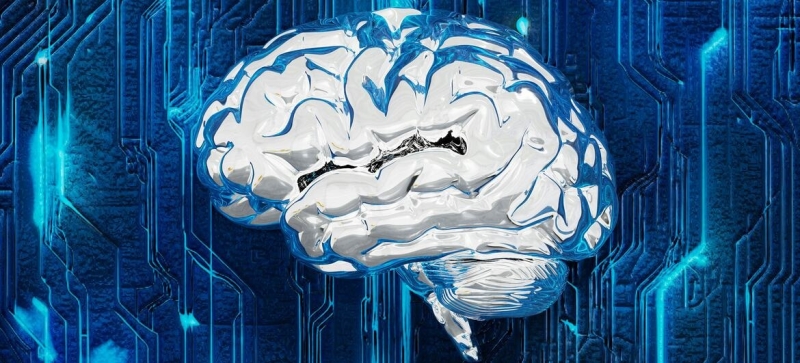
Brain-computer interfaces will play a central role in defining how human intelligence and artificial intelligence fit together.
AI is set to be transformative for everyone, but it also carries real risks, including job losses and widening social and economic divides. UN experts are focusing on how to manage this transition, ensuring that the benefits of the technology outweigh the threats.
Whether you are a “doomer” or a “boomer” on the topic, it is impossible to ignore AI, which is increasingly affecting every corner of our personal and professional lives.
The UN has long advocated a “people-first” approach to AI.
UN Secretary-General António Guterres warned the Security Council in 2024 that the fate of humanity “must never be left to the ‘black box’ of an algorithm,” stressing that humans must always retain oversight and control over AI decision-making to ensure that human rights are upheld.
Since then, the UN system has been consolidating work on the ethical global governance of AI, building on the guidelines and recommendations of the landmark Global Digital Compact.
Here are some key ideas:
1. Education is key
The UN consistently highlights education as central to ensuring people remain relevant in an AI-enabled future. This is not just about integrating AI tools into education but ensuring students and educators are “AI-literate.”
“The global education system will need 44 million teachers by 2030,” says Shafika Isaacs, head of technology and AI in education at UNESCO. “It is a mistake to argue that we should invest more in AI technologies rather than in teachers. AI can manage data transfer, but it cannot manage human development. Education is fundamentally a social, human, and cultural experience, not a technical download.”
2. Embrace the change
Many people worry about losing their jobs in the AI era. The World Economic Forum estimated in 2025 that 41 per cent of employers planned workforce reductions due to AI.
At the same time, new roles matching human strengths with machine capabilities are likely to emerge. Machines excel at pattern recognition and repetitive tasks, but creativity, judgment, ethical reasoning, and complex interpersonal interactions require a human touch.
The International Labour Organization predicts that while one in four jobs will be transformed by AI, this does not necessarily mean net job losses. However, the way work is performed is likely to change significantly, requiring workers to be adaptable and committed to lifelong learning and skill development.
3. Make AI available for all
A handful of tech giants dominate AI research and tool development. The UN warns that if access is not widened, inequality between and within countries will grow.
UN strategies emphasise that educational, economic, and governance policies should ensure AI benefits are broadly shared, not confined to the privileged or technologically advanced.
4. Put human rights first
The UN stresses that AI development must respect human rights, dignity, and inclusiveness. Unchecked automation could have far-reaching social consequences.
In 2021, UNESCO released its Recommendation on the Ethics of Artificial Intelligence, arguing that human rights must form the binding baseline of sustainable AI systems. Tools that threaten dignity, equality, or freedom should be restricted or banned, and governments must actively regulate and enforce these standards.
5. Global cooperation is essential
AI governance cannot be handled by individual governments, the private sector, or civil society alone. The UN calls for far greater international cooperation to manage AI risks and opportunities, including dialogues on governance and ethics, UN-supported coordination platforms, and public-private partnerships to fund education and workforce development.