

- Court Denies Bail to 27 Detained From Jasad Office |
- Bangladesh Plans Major River, Canal Restoration Drive |
- Solar irrigation brings savings, extra income to Jhenaidah farmers |
- ADB Approves $100m Loan for Affordable Housing in Bangladesh |
- No Respite From Poisonous Air: Radical Cure Urgent |
NASA to Test SpaceX, Blue Origin Moon Landers in 2027
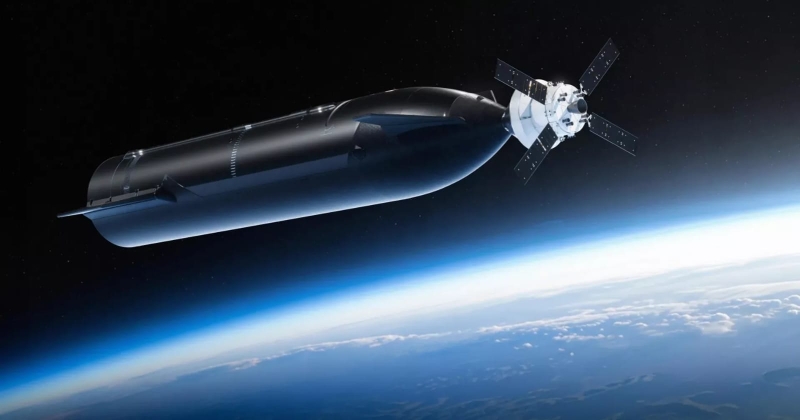
NASA is preparing for its next crewed Moon mission by planning a major orbital rehearsal in 2027 to test commercial lunar landers developed by SpaceX and Blue Origin ahead of a planned astronaut landing in 2028.
The tests will be conducted during the Artemis III demonstration mission, in which astronauts aboard NASA’s Orion spacecraft will perform rendezvous and docking exercises with prototype Moon landers in Earth orbit.
NASA said the mission, along with future uncrewed tests near the Moon, will provide critical data to improve astronaut safety and reduce risks before humans return to the lunar surface.
NASA has selected SpaceX and Blue Origin to develop Human Landing Systems (HLS) that will transport astronauts between lunar orbit and the Moon’s surface during future missions.
For the Artemis III demonstration, both companies will launch prototype versions of their lunar landers using commercial rockets, while the Artemis III crew will travel separately aboard Orion, launched by NASA’s Space Launch System (SLS) rocket.
SpaceX plans to test its Starship Version 3 spacecraft, which is being developed as a future Moon lander, while Blue Origin will evaluate the crew cabin designed for its Blue Moon lander.
NASA’s Human Landing System Programme manager Steve Creech said the prototype tests would provide valuable information for future development and increase confidence in the spacecraft before astronauts attempt lunar landings.
During the mission, up to two Artemis III astronauts wearing Orion survival suits will enter Blue Origin’s test cabin to assess its systems. The spacecraft will also carry instruments designed to monitor cabin conditions.
SpaceX’s Starship prototype will conduct docking tests with Orion, allowing NASA and SpaceX to evaluate communications, navigation and spacecraft control systems. Astronauts will remain inside Orion during the Starship demonstration.
The Artemis III demonstration will involve three major rocket launches within a short period — Blue Origin’s test lander, NASA’s Orion spacecraft aboard the SLS rocket, and SpaceX’s Starship prototype.
NASA said the complex mission will test launch operations, mission control coordination, communication systems and cooperation between multiple facilities before future Moon missions.
The agency plans to use a dual-launch approach for upcoming lunar missions, with the Moon lander launched first and placed in orbit before astronauts arrive aboard Orion.
Safety checks will remain a top priority, with NASA reviewing spacecraft hardware, software and safety systems before approving crewed operations.
The Artemis programme is part of NASA’s long-term effort to return humans to the Moon, support scientific research, establish a sustainable lunar presence and develop technologies for future crewed missions to Mars.