

- After the blaze, Kalshi slum dwellers see what little remains |
- Dhaka, 5 other divisions to see heavy rainfall in 24 hours |
- Over 1.6 Million Pilgrims Gather at Sacred Arafat |
- Mayoral candidates' Eid greetings to Kalapara residents on social media |
- Dhaka moves for new $4-4.5 bn IMF programs, drops current one |
Developing Nations Face Revenue and Aid Pressure
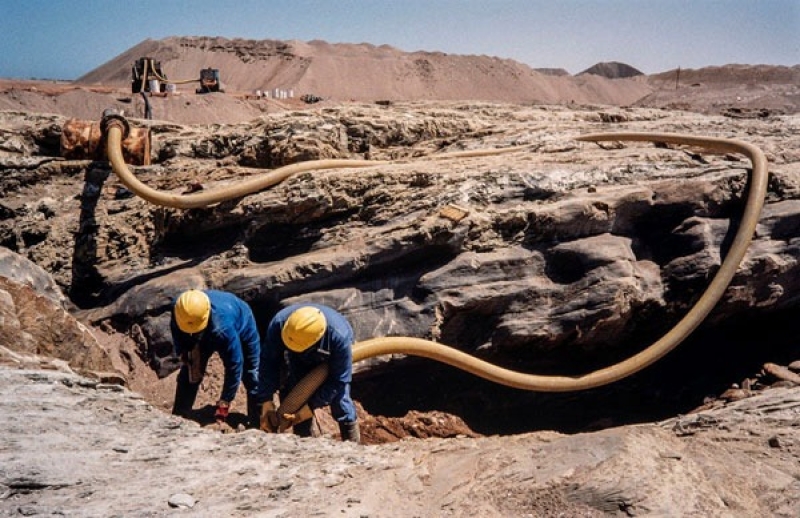
Source: International Monetary Fund (IMF)
Developing countries are facing major challenges as income from natural resource extraction industries declines and wealthier nations reduce foreign aid support.
Nontax revenue from natural resource extraction and foreign aid grants for general spending have declined by a combined 3.8 percent of gross domestic product since 2000, according to the latest annual update of the IMF’s World Revenue Longitudinal Database.
Gains in tax collection during the same period amounted to only 2.6 percent, offsetting just two-thirds of the decline, according to detailed public revenue data.
The latest findings show that falling proceeds from extractive industries have been the biggest driver behind the revenue decline in both low-income developing countries and emerging market economies.
These revenues generally include government earnings from sectors such as oil, gas and mining, including royalties, profit-sharing arrangements and dividends from state-owned enterprises. Reduced foreign aid grants for general spending have also contributed to the decline in overall revenue.
Experts say closing the gap often requires stronger domestic tax collection systems, and affected countries may struggle to achieve their development goals without increasing tax revenue.
To improve revenue generation, countries need sustained investment in tax policies and tax administration, supported by strong and effective institutions.
The IMF supports member countries through capacity development initiatives, including tailored technical assistance and training services often delivered in cooperation with donor countries and international organisations.
These programmes help developing countries strengthen expertise and establish policy frameworks to improve tax systems and institutions. They also help reduce reliance on volatile and declining income sources, such as extractive industries and foreign assistance.
Supporting domestic revenue mobilisation can strengthen fiscal resilience and contribute to broader global economic growth.
Assessing how governments can generate more reliable and sustainable domestic revenue requires high-quality and detailed data. The database tracks tax and nontax revenue trends across 195 economies using information provided by member countries.
It also serves as a valuable resource for researchers, policymakers and development practitioners seeking to analyse revenue trends, compare performance and identify reform priorities.