

- UNHCR, partners ask world not to forget Rohingya refugees in BD |
- WMO Warns El Niño to Drive Global Extreme Weather |
- SEC to be restructured with new leadership team: Finance Minister |
- ‘May no other parent lose a child this way’, says Ramisa’s father |
- 5 killed as car crashes into truck on Faridpur expressway |
Surah Saba (Chapter 34 of the Holy Qur'an): A Complete Code of Life
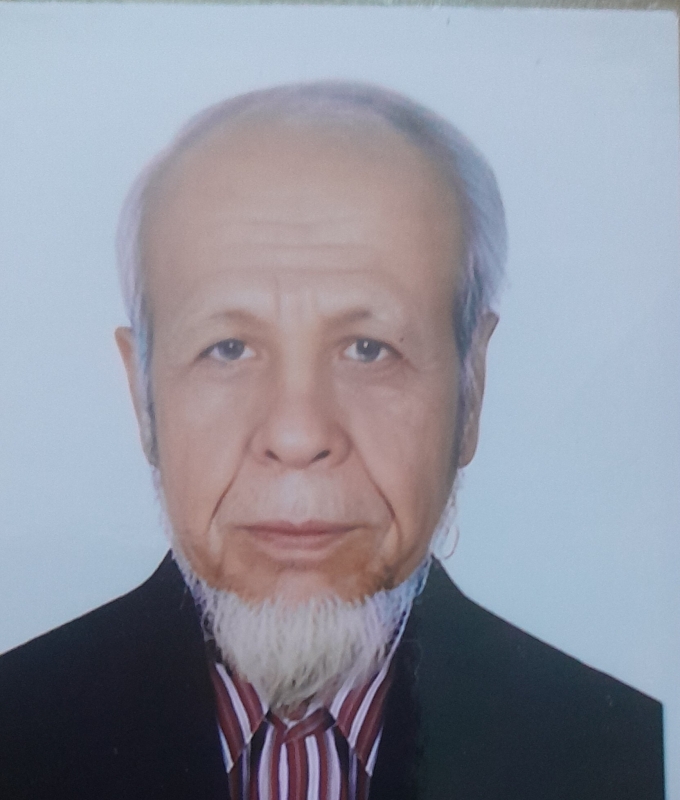
Siddiqur Rahman
Mohd Siddiqur Rahman
In the Name of Allah, the Most Gracious, the Most Merciful
"Praise be to Allah, to whom belongs whatever is in the heavens and whatever is on the earth, and to Him belongs all praise in the Hereafter. He is the All-Wise, the All-Aware. He knows whatever enters the earth and whatever emerges from it, whatever descends from the heaven and whatever ascends into it. And He is the Most Merciful, the Most Forgiving." (Qur'an 34:1-2)
Surah Saba is one of the most profound chapters of the Holy Qur'an. It presents a comprehensive framework for human life by emphasizing faith in Allah, gratitude for His countless blessings, accountability in the Hereafter, and the consequences of obedience and disobedience. The Surah invites mankind to reflect upon the signs of Allah in the universe and to recognize His supreme authority over all creation.
The very existence of human beings is a gift from Allah. From head to foot, every part of our being reflects His mercy, wisdom, and generosity. Our life, health, intellect, family, sustenance, and opportunities are all blessings bestowed upon us by our Creator. Therefore, the natural response of a believer should be deep gratitude, humility, and a sense of indebtedness towards Allah.
Unfortunately, gratitude is often one of the least cultivated qualities in human nature. The primary reason is that people tend to view their achievements and possessions merely through the lens of worldly causes and effects. Success is attributed to education, intelligence, wealth, influence, hard work, or favorable circumstances. While these factors certainly play a role, they are themselves blessings granted by Allah. The true believer recognizes the Divine Hand behind every apparent cause.
This recognition is one of life's greatest tests. Allah expects human beings to look beyond the visible chain of events and acknowledge His ultimate power and generosity. Whatever we achieve through our talents and efforts should not become a source of pride and arrogance. Rather, it should increase our gratitude to Allah, who granted us those talents, opportunities, and the ability to utilize them.
Surah Saba further teaches us the importance of learning from history. It recounts the story of the people of Saba, who were blessed with prosperity, fertile lands, and a secure life. However, instead of expressing gratitude, many among them became arrogant and heedless of Allah's favors. As a result, their prosperity was replaced with hardship. This powerful lesson reminds us that blessings are preserved through thankfulness and obedience, while ingratiate may lead to decline and loss.
The Surah also highlights the examples of Prophets Dawud (David) and Sulayman (Solomon), who were granted extraordinary gifts and authority. Despite their power and achievements, they remained humble servants of Allah and constantly expressed gratitude. Their lives demonstrate that true success lies not merely in acquiring wealth, influence, or knowledge, but in using them responsibly and in accordance with Allah's guidance.
Another central theme of Surah Saba is accountability in the Hereafter. Human beings are not left without purpose or responsibility. Every action, whether public or private, is known to Allah. Nothing escapes His knowledge. The awareness that Allah sees, hears, and records everything should inspire individuals to lead lives characterized by honesty, justice, compassion, and righteousness.
In today's world, where material success is often regarded as the ultimate goal, the message of Surah Saba remains highly relevant. It reminds us that material blessings should never divert us from our spiritual obligations. Wealth, status, and worldly achievements are temporary, whereas faith, good deeds, and gratitude have eternal value.
In conclusion, Surah Saba offers timeless guidance for humanity. It teaches us to recognize Allah's blessings, remain grateful in all circumstances, learn from the lessons of history, avoid arrogance, and prepare for the Hereafter through righteous conduct. If these principles are sincerely followed, individuals and societies can attain both worldly prosperity and eternal success. Indeed, Surah Saba serves as a complete code of life, guiding mankind towards faith, gratitude, humility, and ultimate salvation.
(Writer: Mohd Siddiqur Rahman, Ex Country Manager, Biman, Bangladesh Airlines.)