

- Around 7,500 Bangladeshis imprisoned in Saudi Arabia: Shama Obaed |
- Bangladesh Outperforms India in Global Hunger Index 2026 |
- Covered van hits Gazipur police patrol team, killing SI, BNP leader |
- Korean City scrambles to rescue dusky shark after it returns to canal |
- PM inspects Mongla Port, Sundarbans, proposed economic zone |
Iran Clerics Near Consensus on Next Supreme Leader
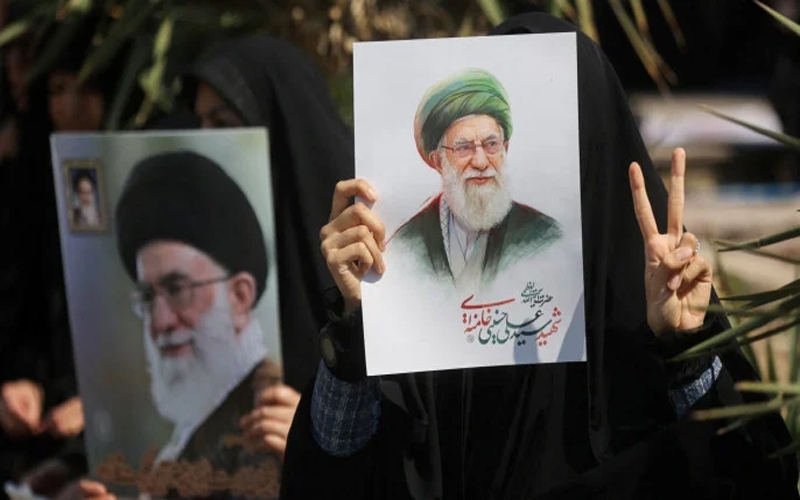
Iran’s powerful clerical body responsible for selecting the country’s next supreme leader has largely reached a consensus on a successor to the late Ali Khamenei, according to a member of the Assembly of Experts.
Assembly member Mohammadmehdi Mirbaqeri said the process of choosing the new leader is close to completion, although a few procedural issues still need to be resolved. The Assembly of Experts is constitutionally tasked with appointing Iran’s supreme leader.
Another senior member of the assembly said the clerics could meet within a day to finalise the decision. Iranian media reports indicate that the body has already agreed on a candidate, with only the formal announcement remaining.
Two members of the panel—Mohsen Heidari Alekasir and Ahmad Alamolhoda—also indicated that a successor had effectively been chosen. The official announcement is expected to be made by the head of the assembly’s secretariat, Hashem Hosseini Bushehri.
However, clerics are reportedly debating whether the final decision requires a physical meeting of the assembly or could be confirmed through written or remote communication due to the current security situation.
Heidari Alekasir said an in-person meeting might not be feasible under present conditions, describing the situation as extraordinary and warning that gathering members in one place could expose them to security risks.
The leadership transition comes after the death of Ali Khamenei, who had served as Iran’s supreme leader since 1989 after previously holding the presidency. His death occurred amid escalating conflict in the region and a series of strikes that have reportedly killed several Iranian officials and military commanders.
Some clerics said the candidate for the position was selected in line with the late leader’s advice that Iran’s supreme leader should be firmly opposed by the country’s enemies rather than welcomed by them.
Among the names frequently mentioned as a potential successor is Mojtaba Khamenei, the 56-year-old son of the late leader. He has long been viewed as an influential figure within Iran’s clerical establishment and is believed to have close ties with the Islamic Revolutionary Guard Corps.
Although he has never held a formal government position, Mojtaba Khamenei has built significant influence through his role in his father’s office and his connections within the country’s security and religious institutions.
His possible rise to the top post has drawn international attention, particularly after comments by Donald Trump, who suggested Mojtaba could be the most likely successor while also expressing opposition to such an outcome.
Iran’s Assembly of Experts is expected to finalise the decision soon, formally announcing the country’s next supreme leader once the remaining procedural matters are settled.