

- Tree logging in Bangladesh has fallen in last two years: Study |
- Unsafe Food Kills 1.5 Million Yearly, WHO Warns Report |
- Masud Khan Appointed New BSEC Chairman in Shake-up |
- Verdict in Ramisa rape-murder case on June 7 |
Japan Poll Confirms Two-Thirds Majority for Takaichi
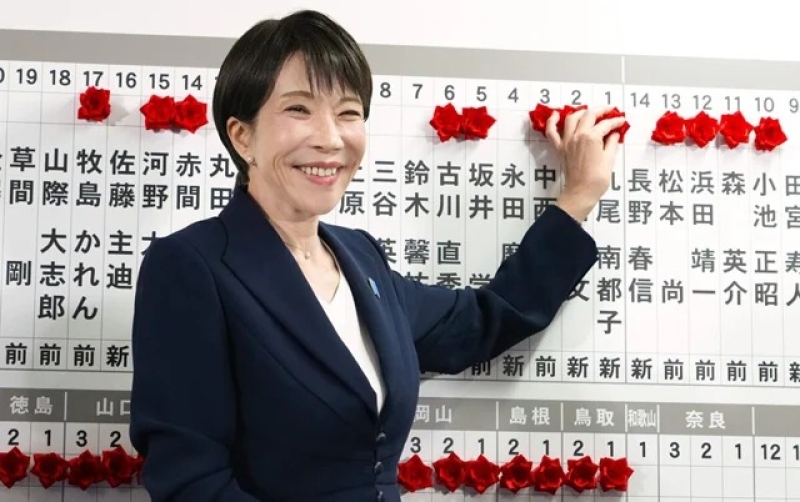
Japan’s ruling Liberal Democratic Party (LDP), led by Prime Minister Sanae Takaichi, secured a commanding two-thirds majority in snap elections held over the weekend, official results confirmed on Tuesday.
The LDP won 315 seats in the 465-member lower house, marking its strongest electoral performance to date. Together with coalition partner Japan Innovation Party (JIP), which secured 36 seats, the ruling bloc now controls 351 seats, comfortably exceeding the threshold needed to override decisions by the upper house.
In the previous parliament, the LDP held 198 seats while the JIP had 34, highlighting the scale of the governing coalition’s gains.
The election result strengthens Takaichi’s position as Japan’s first woman prime minister and gives her a clear mandate to shape policy over the next four years. A two-thirds majority also opens the door for pursuing constitutional revision, an objective she has previously signalled.
“This marks the beginning of a heavy responsibility to make Japan stronger and more prosperous,” Takaichi said at a news conference on Monday, adding that voters had endorsed the need for a major policy shift.
The anti-immigration Sanseito party also made notable gains, increasing its representation to 15 seats from just two. In contrast, the newly formed Centrist Reform Alliance—comprising the Constitutional Democratic Party and former coalition partner Komeito—suffered a sharp setback, with its seat count plunging to 49 from 167.
Despite the historic result, the number of women lawmakers fell slightly to 68 from 73.
After taking office in October as Japan’s fifth prime minister in as many years, Takaichi called the snap election to capitalise on early public support, particularly among younger voters.
Looking ahead, her government faces major challenges, including easing the pressure of rising living costs, reviving economic growth without unsettling investors, and managing Japan’s strained public finances. She is also under pressure to follow through on commitments to increase investment in the United States and to boost defence spending.
Foreign policy remains another test, with relations with China tense amid disputes over Taiwan and regional security, while domestic debate continues over immigration as populist sentiment gains ground.