

- 40-foot-long dead whale float to Kuakata sea |
- Bangladesh’s export earnings fall by 7.09pc in May |
- New Force Commander of UNFICYP Lt Gen Minhazul Alam meets PM |
- BERC raises retail power tariff by Tk 1.52 per unit |
Brain Training Cuts Dementia Risk by 25%, Study Shows
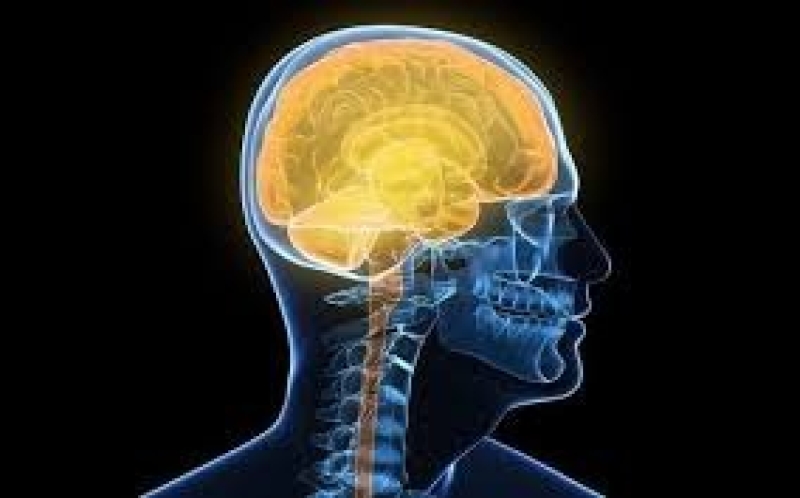
A new study has found that a simple brain-training exercise can reduce the risk of developing dementia by a quarter, offering hope in the fight against the condition.
Researchers conducting a randomised controlled trial—the gold standard in medical research—discovered that speed-based brain training, rather than expensive drugs, delivered significant long-term benefits.
“For the first time, this type of high-quality study gives us a clear strategy to reduce dementia risk,” said Marilyn Albert, co-author of the study and professor at Johns Hopkins University in the United States.
The study, called ACTIVE, began in the late 1990s with more than 2,800 participants aged 65 or older. Participants were randomly assigned to one of three training types—speed, memory, or reasoning—or a control group.
Training involved hour-long sessions twice a week for five weeks, followed by booster sessions one and three years later, totalling fewer than 24 hours of training.
Over follow-ups at five, ten, and 20 years, the speed-training group consistently showed the strongest results. Medicare records revealed that participants who completed the speed training and boosters had a 25 percent lower risk of dementia. Other training types showed no significant effect.
The speed-training exercise, called “Double Decision,” involves reacting to cars and road signs that appear in different areas of a computer screen. It adapts to the user’s abilities, becoming easier or harder as needed.
Albert explained that the researchers believe the training may improve brain connectivity, though the exact mechanism is still unclear. She called the finding “extraordinarily important,” noting that reducing dementia among even a quarter of the US population could save an estimated $100 billion in care costs.
The study included a diverse group of participants, with one-quarter from minority backgrounds, suggesting the results could apply broadly. Researchers hope understanding why speed training works may lead to even more effective interventions in the future.
Dementia currently affects 57 million people worldwide and is the seventh leading cause of death, according to the World Health Organization.
The speed-training task is available through the brain-training app BrainHQ, and the study was published in Alzheimer’s & Dementia: Translational Research & Clinical Interventions.