

- 42-Year Rainfall Record Broken as Chattogram Floods |
- Flash Flood Risk Rises as Rivers Swell: FFWC |
- Switzerland Beat Colombia to Reach World Cup Last Eight |
- Argentina beat Egypt 3-2 to reach World Cup quarter-finals |
- Bangladesh Leads South Asia in FDI Growth: UNCTAD |
G7 calls for reopening of Strait of Hormuz
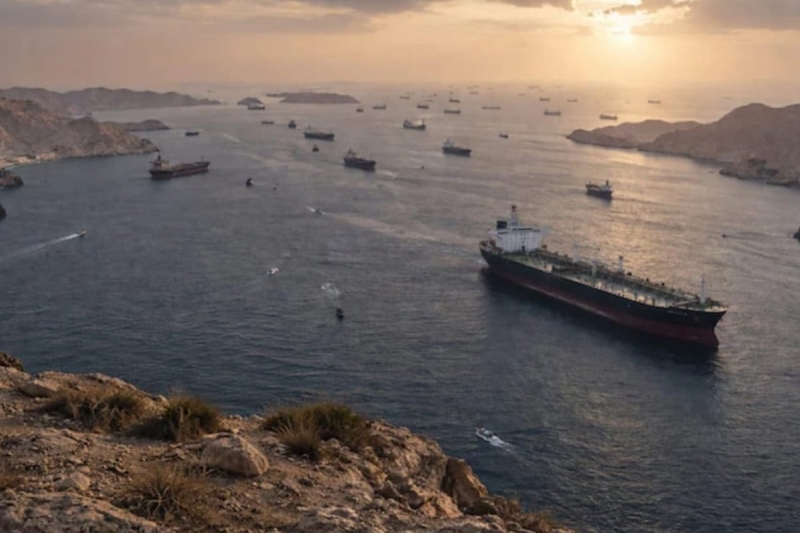
Finance ministers of the Group of Seven have stressed the need to reopen the Strait of Hormuz, saying it is essential while also underscoring the importance of addressing global current account imbalances.
In a joint statement, they reaffirmed their commitment to multilateral cooperation to tackle risks facing the global economy.
Since 28 February 2026, the United States and Israel have been engaged in a conflict with Iran and its regional allies. The fighting began after US and Israeli forces carried out airstrikes on Iran, targeting military and government facilities and killing several senior Iranian officials, including Supreme Leader Ali Khamenei.
The strikes were launched unexpectedly while negotiations were ongoing between Tehran and Washington over Iran’s nuclear programme. In response, Iran carried out missile and drone attacks on Israel, US military bases and US-allied Arab countries in West Asia, and moved to shut the Strait of Hormuz, disrupting global trade flows.
Since the outbreak of the war, Iran has used the Strait of Hormuz as a strategic pressure point to raise global concern.
On the other hand, oil prices declined after Donald Trump said he had postponed a planned military strike on Iran to allow room for negotiations aimed at ending the conflict.
Global benchmark Brent crude fell 1.5 percent, with July futures (LCOc1) dropping $1.73 to $110.37 per barrel as of 08:25 GMT. US West Texas Intermediate crude for June delivery (CLc1), which has expired, slipped 63 cents, or 0.60 percent, to $108.03.
The more actively traded July contract (CLc2) declined by 82 cents, or 0.8 percent, to $103.56 per barrel, reports UNB.