

- Rosatom DG Alexey Likhachev meets PM Tariqur Rahman |
- White House says Iran’s new proposal to end war ‘being discussed’ |
- Face falsehood with truth, roundtable on false narratives told |
- Bangladesh Enters Nuclear Power Era with Fuel Loading |
Iran offers Hormuz reopening if US ends blockade, war
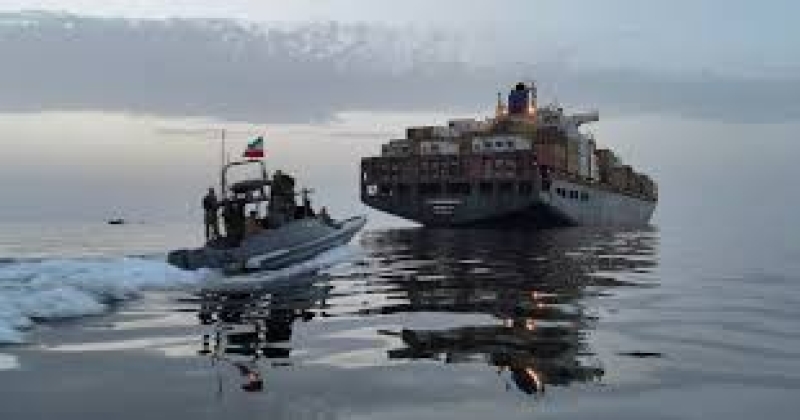
Iran has offered to ease its restrictions on the Strait of Hormuz if the United States lifts its blockade and brings an end to the war, according to two regional officials familiar with the proposal.
The offer, reportedly conveyed to Washington through Pakistan, would postpone discussions on Iran’s nuclear programme—an issue US officials insist must be part of any agreement.
US Secretary of State Marco Rubio signalled resistance to such a deal, saying any agreement must ensure Iran cannot develop nuclear weapons.
Despite a fragile ceasefire, tensions remain high over the strategically vital waterway, which handles about one-fifth of global oil and gas trade. Iran’s restrictions and the US blockade have disrupted energy supplies, pushing oil prices sharply higher and straining global markets.
Brent crude prices have risen significantly since the conflict began, exceeding $108 per barrel on Monday.
The proposal comes amid growing international pressure to reopen the strait. Dozens of countries, in a joint statement led by Bahrain, called for restoring access, while UN Secretary-General António Guterres warned of mounting humanitarian and economic consequences.
German Chancellor Friedrich Merz criticised Washington’s handling of the conflict, while French Foreign Minister Jean-Noël Barrot urged all sides to de-escalate, stressing that key maritime routes should remain open.
Meanwhile, Iran’s Foreign Minister Abbas Araghchi met Russian President Vladimir Putin in St. Petersburg, as diplomatic efforts continue to revive stalled negotiations.
Pakistan and other mediators are attempting to bridge gaps between Tehran and Washington, but significant differences remain, particularly over Iran’s nuclear ambitions and the conditions for lifting the blockade.
The conflict, which began on Feb. 28, has led to thousands of deaths across the region and continues to fuel instability despite ongoing ceasefire efforts, reports UNB.