

- ECNEC to Review Tk265.8bn Dhaka-Ashulia Expressway |
- World Cup 2026 Ends with Records, Drama and Farewells |
- Spain Beat Argentina to Lift Second World Cup Title |
- Journos should be storytellers; avoid overreliance on AI |
- World Cup integrity questioned by European rights body |
Govt Moves to Revive Bangladesh’s Handloom Industry
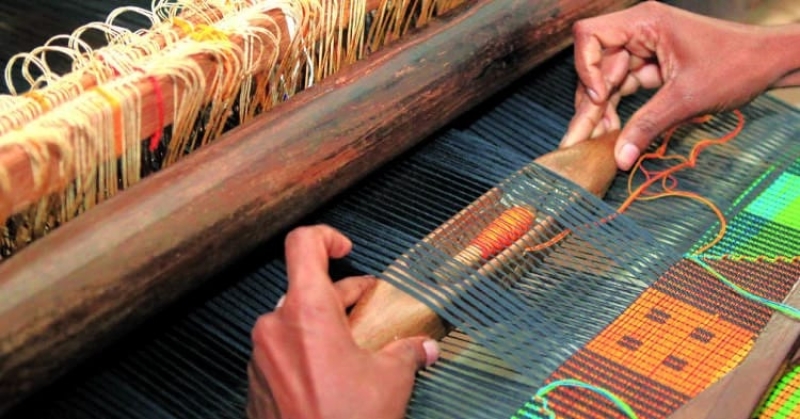
The government is working to revive Bangladesh's traditional handloom industry and restore its lost heritage by formulating policies based on the needs and recommendations of grassroots artisans, State Minister for Textiles and Jute Md Shariful Alam said on Sunday.
Speaking at a views-exchange meeting with handloom artisans at Baitara village in Sirajganj Sadar Upazila, the state minister said the government is committed to strengthening the sector and preserving one of the country's oldest industries.
“The government is working to revive this traditional industry and further enrich the handloom sector,” he said.
According to a Press Information Department (PID) handout, the government will prepare necessary policies for the development and expansion of the handloom industry by giving priority to the opinions, problems and recommendations of grassroots weavers.
During the meeting, artisans highlighted key challenges facing the sector, including limited access to credit, rising yarn and raw material prices, marketing difficulties and other operational constraints.
Shariful said future policy decisions would be based on the real-life experiences and needs of handloom workers to ensure sustainable development of the sector.
Describing Sirajganj as one of Bangladesh's leading handloom hubs, he said the district possesses a rich heritage and significant potential for further growth.
The state minister said Tk 65 crore in low-interest loans has already been disbursed among handloom artisans in Sirajganj Sadar, Ullapara, Shahjadpur and Belkuchi upazilas under an easy-term credit programme carrying a 4 percent interest rate.
He added that the newly established Handloom Training Centre and Basic Centre in Sirajganj will provide technical training while helping participants become entrepreneurs and create employment opportunities.
Textiles and Jute Secretary Sharf Uddin Ahmed Choudhury, senior officials of the Bangladesh Handloom Board and members of the local administration attended the programme.