

- COP31 Nations Push for Fossil Fuel Action, More Finance |
- WFP Seeks $12.1bn to Feed 91 Million People in 2027 |
- Bangladesh Crosses 300 LEED-Certified Green Factories |
- COP31 delivers deals for host Turkey as climate diplomacy stalls |
- UNGA President Urges Four Steps for Rohingya Justice |
Rights Groups Urge Sanctions on Myanmar After ICJ Ruling
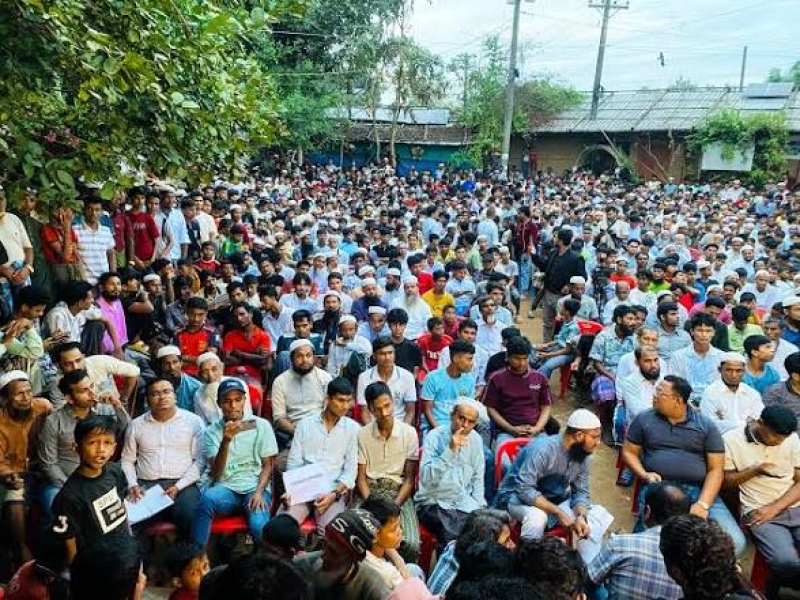
International human rights organisations have called for military and economic sanctions against Myanmar following a landmark ruling by the United Nations' highest court that found the country responsible for genocide against the Rohingya minority during its 2017 military crackdown.
The International Court of Justice (ICJ) ordered Myanmar to facilitate the safe, voluntary and dignified return of displaced Rohingya, restore or replace property lost or damaged during the atrocities, protect the community from discrimination and persecution, and ensure accountability for those responsible.
The court also ruled that Myanmar must provide adequate compensation for harm that cannot be remedied through restitution. The amount and arrangements for compensation are to be determined in a subsequent phase of the proceedings.
However, the ICJ has no direct mechanism to enforce its judgments. Under the UN Charter, a party to a case may refer non-compliance with a court ruling to the UN Security Council, which can consider appropriate measures.
Myanmar's authorities have rejected the genocide allegations, maintaining that the 2017 military operation was aimed at combating insurgents. The government is considered unlikely to comply with the court's directives.
The military operation was conducted under the leadership of former military chief Min Aung Hlaing, who is now Myanmar's president. The ICJ found evidence supporting an estimate that around 10,000 Rohingya were killed during the 2017 crackdown.
Presidential spokesperson Khine Khine Soe criticised the ruling, pointing out that it was adopted by a 9-6 vote rather than unanimously.
Speaking to reporters in Naypyitaw, she argued that the disagreement among judges showed that the decision was unfair.
Security Council May Consider Sanctions
The UN Security Council has scheduled closed consultations for next Wednesday and a private meeting on December 7 to discuss the judgment. The United Kingdom requested the meetings and expelled Myanmar's defence attaché following Thursday's ruling.
However, Daniel Forti, head of UN affairs at the International Crisis Group, said immediate action by the 15-member Security Council was unlikely, despite its authority to impose sanctions.
He noted that China and Russia, both permanent members with veto powers, could block any proposed measures.
Forti said China had consistently discouraged Security Council intervention in Myanmar since 2021, seeking to maintain its influence in the region. He added that neither Beijing nor Moscow was likely to support a resolution aimed at enforcing the ICJ's recommendations.
Meanwhile, The Gambia, which brought the genocide case against Myanmar, could consider pursuing a resolution at the 193-member UN General Assembly urging the country to comply with the court's ruling. Although such a resolution would carry political weight, it would not be legally binding.
UN General Assembly President Khalilur Rahman is planning an informal discussion with member countries on the judgment and remains open to further diplomatic engagement, according to assembly spokesperson Melissa Summers.
Rahman, who also serves as Bangladesh's foreign minister, visited Cox's Bazar on Friday and addressed Rohingya refugees. He described the ruling as a historic moment, stressed the need for concrete action and pledged to represent their interests at the United Nations in New York.
The US-based human rights organisation Justice for All has urged the Trump administration to support a General Assembly resolution demanding Myanmar's compliance with the ICJ judgment, including the establishment of an international monitoring and follow-up mechanism.
Rights Organisations Seek Sanctions Against Military, Economy
Justice for All, which brings together 38 Muslim organisations from the United States and Canada advocating for Rohingya rights, called for targeted sanctions against Myanmar's oil and gas industries, as well as networks supplying weapons and other assistance to its military.
Amnesty International Secretary General Agnes Callamard urged governments not to welcome Myanmar's president at international events while serious human rights abuses continued in the country.
She also called for an immediate halt to weapons transfers, supplies of security and surveillance equipment, and military assistance to Myanmar.
Callamard further urged the UN Security Council to impose a worldwide arms embargo and refer the situation in Myanmar to the International Criminal Court (ICC).
However, such action could face significant political obstacles, particularly given US sanctions against the ICC, including measures targeting some of its judges and staff.
ICC prosecutors requested an arrest warrant for Min Aung Hlaing in late 2024 over alleged crimes against humanity against the Rohingya. The court's judges have yet to publicly announce a decision on the request.
The ICC Office of the Prosecutor said the ICJ judgment would not affect matters currently under consideration by its judges. It explained that the two courts have different mandates: the ICC examines individual criminal responsibility, while the ICJ addresses the responsibility of states.
No Clear Mechanism for Rohingya Compensation
Human Rights Watch has urged governments around the world to strengthen their support for the Rohingya community and ensure justice for the atrocities committed against them.
Maria Elena Vignoli, the organisation's senior international justice counsel, called on concerned governments to pressure Myanmar's military authorities to implement the court's decision and guarantee the safe and voluntary return of Rohingya refugees.
Justice for All also appealed for international contributions to establish a compensation fund for Rohingya victims. It called for initiatives to improve their access to education, ensure protection and citizenship rights, and facilitate their voluntary return from Bangladesh.
Around 1.2 million Rohingya refugees are currently living in overcrowded camps in Bangladesh after fleeing persecution and violence in Myanmar.
Myanmar, a predominantly Buddhist country, has long described the Rohingya as migrants from Bangladesh, although their families have lived in the country for generations. Since 1982, most Rohingya have been denied citizenship, leaving them effectively stateless and restricting their freedom of movement and access to basic rights.
Yasmin Ullah, a Rohingya rights activist who followed the court proceedings in The Hague, Netherlands, said the historic judgment would have little meaning unless governments took practical steps to implement it.
She urged all UN member states to take strong measures to support enforcement of the ruling, beginning with sanctions against Myanmar's president.
Ullah also called for compensation for the suffering inflicted on the Rohingya, saying the community wanted their lives and future restored and hoped to become part of a peaceful, stable and prosperous Myanmar.