

- Govt Slashes FIFA World Cup Broadcast Cost: Swapon |
- Biman plans to lease 10 aircraft by 2027: Millat |
- July Charter implementation debate should end: Fakhrul |
- Argentina, Spain divided over loyalties ahead of WC final |
- Feni admin advises students against staying out after Maghreb |
Mount Olympus Bids for UNESCO World Heritage
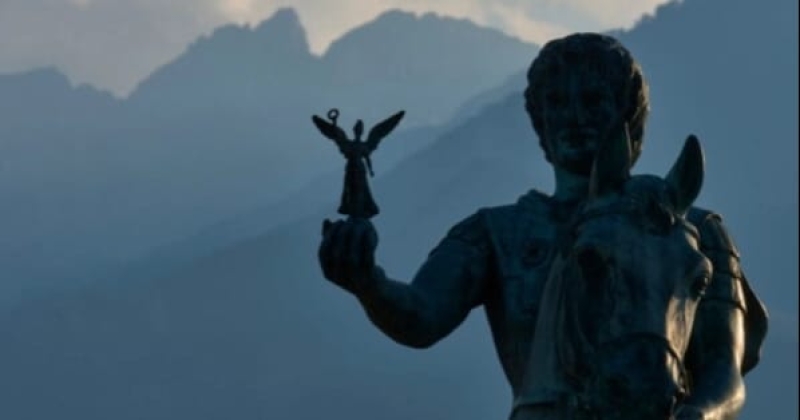
Greece is seeking UNESCO World Heritage status for Mount Olympus, the country's highest peak and the legendary home of the ancient Greek gods, highlighting its exceptional combination of mythology, history, biodiversity and natural beauty.
The 2,918-metre (9,573-foot) mountain, snow-capped for much of the year, has been central to Greek mythology for centuries. According to legend, Zeus, king of the Olympian gods, ruled from its highest summit after defeating the Titans.
Greece's nomination to have Mount Olympus recognised as a mixed cultural and natural World Heritage Site will be considered during the UNESCO World Heritage Committee meeting in Busan, South Korea, which runs until July 29.
"Olympus is part of our everyday life," said Evagelos Geroliolios, mayor of the Dion-Olympus municipality. "It represents mythology, history, biodiversity, breathtaking landscapes and a rich cultural heritage."
Interest in the mountain is also expected to grow with the release of Christopher Nolan's upcoming film The Odyssey, based on Homer's epic poem, in which Mount Olympus is depicted as the home of Zeus and the Olympian gods.
Archaeological discoveries have further strengthened the mountain's historical significance. Excavations on one of its lower peaks uncovered an ancient open-air sanctuary dating to the Hellenistic period (323 BC–30 BC), believed to be the sanctuary described by the ancient historian Plutarch, where rituals and sacrifices were dedicated to Zeus.
Mount Olympus also holds religious importance in the Christian era. It is home to what is believed to be the world's highest Orthodox Christian chapel, located on Prophet Elias Peak at an altitude of 2,803 metres. The mountain also contains the remains of a monastery founded in 1542 and the Holy Cave of St. Dionysios, a site revered by many pilgrims.
In addition to its cultural and historical value, the mountain supports a rich ecosystem, including numerous endemic plant and animal species found nowhere else.
Greek officials say UNESCO recognition would strengthen conservation efforts while raising global awareness of the mountain's heritage.
"We want to preserve this place for future generations," Geroliolios said, describing World Heritage status as an achievement of international significance.
Mount Olympus was first placed on UNESCO's Tentative List in 2014, the initial step toward formal inscription. However, a draft agenda for the committee meeting indicates UNESCO may seek additional information from Greece before making a final decision.
Local communities remain optimistic, although some experts have expressed concern that World Heritage recognition could increase tourism pressure on the fragile mountain ecosystem.
Mountain guide Babis Marinidis, president of the Alpine Club of Litochoro, said stricter visitor management measures, including possible entry fees and mandatory registration, may become necessary to protect the site.
Despite the challenges, Mount Olympus remains one of Europe's most popular hiking destinations, attracting climbers from around the world. Authorities continue to urge visitors to respect safety guidelines, as rapidly changing weather and rugged terrain can make the mountain hazardous.