

- Govt welcomes Tarique Rahman’s return, assures full coop |
- BNP strikes polls deal with 7 more partners, reserves 8 seats |
- BRTA tops corruption list among public service offices: BBS |
- Toll-free entry for vehicles via airport area expressway Thursday |
- ‘Very unhealthy’ air quality persists in Dhaka |
Scrapped $6b Renewable Projects Risk Investor Confidence
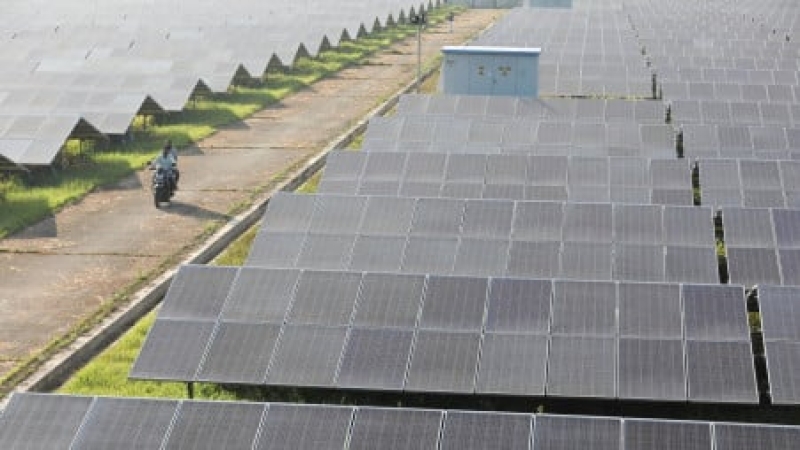
Representational image.
An anti-corruption watchdog has voiced serious concern over the interim government’s decision to cancel 31 unsolicited renewable energy projects involving an estimated investment of about $6 billion, warning that the move could damage investor confidence at a crucial stage of Bangladesh’s clean energy transition.
Speaking at a press conference in Dhaka on Tuesday, the organisation said the cancellations have sent a “shocking and negative signal” to both local and foreign investors, at a time when stable and predictable investment is urgently needed to expand renewable power generation.
Presenting the findings, speakers said Bangladesh’s renewable energy drive continues to lag because clean energy has yet to be placed at the core of national planning. Despite repeated commitments, much of the country’s renewable potential remains untapped, they noted.
They emphasised that policy instability, combined with limited grid integration and technical preparedness, has made renewable energy less attractive and financially viable for households and investors alike. Clear, consistent policies are essential to provide investors with confidence and long-term certainty, they said.
Land acquisition was identified as a major hurdle for independent power producers, with difficulties in securing land causing delays and increasing project costs. The absence of smart grid systems, insufficient substations and weak distribution networks were also cited as barriers to the wider adoption of rooftop solar systems.
The organisation further alleged mismanagement in approving technical equipment for renewable projects, pointing to bureaucratic delays and inefficiencies that create uncertainty. It also raised concerns over reported irregularities, including document forgery in obtaining environmental clearance certificates, and a lack of effective action against such practices.
Calling for stronger oversight, transparency and accountability, the watchdog warned that without meaningful governance reforms, Bangladesh will struggle to meet its renewable energy targets. It urged the government to ensure policy consistency, modernise energy infrastructure, enforce fair regulatory practices and take steps to restore investor confidence in the renewable energy sector.