

- Jatri Kalyan Samity urges withdrawal of increased fuel prices |
- Global Diesel Shortage Likely to Persist Into 2027 |
- PM to Present Bangladesh Vision at UNGA: Mahdi |
- LDC graduation must strengthen, not constrain development: Titumir |
- ADP Implementation Hits Five-Year Low at 1.85% |
FSRU fire disrupts LNG imports, gas crisis may last 10–15 more days: Energy Minister
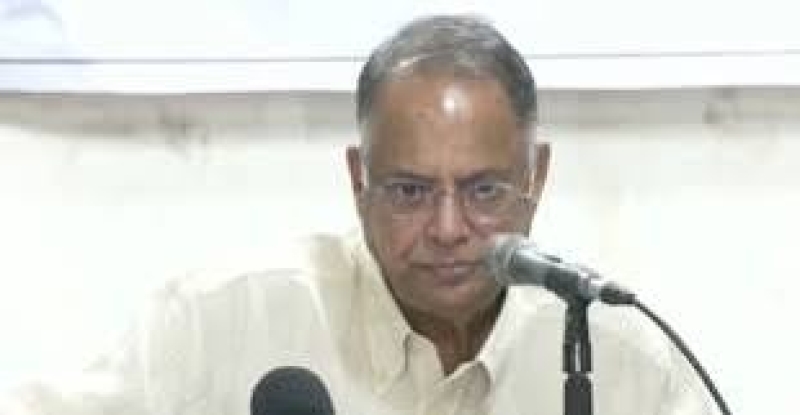
Power, Energy and Mineral Resources Minister Iqbal Hassan Mahmood on Monday said a fire at one of the country’s two Floating Storage and Regasification Units (FSRUs) has disrupted liquefied natural gas (LNG) imports, aggravating Bangladesh’s ongoing gas shortage and affecting electricity generation as well as industrial production.
“About a week ago there was a fire in one of FSRUs. Fortunately, it was not a major disaster, but the unit is now under repair and it will take 10-15 days more to repair it completely,” he said.
Speaking at a policy roundtable titled “Navigating Global Shifts: Fostering Energy Security and Resilience in Bangladesh” at a city hotel, the minister said the damaged FSRU is expected to resume operations within 10 to 15 days.
Bangladesh Institute of Peace and Security Studies (BIPSS) organised the event with its President Major General A N M Muniruzzaman (Retd) as the moderator.
The minister said Bangladesh currently has two LNG cargoes waiting offshore but cannot unload them because the disruption.
“As a result, there is a serious shortage of gas across the country. People are complaining about low gas pressure in their homes, while industries and power plants are also suffering,” he said.
He said Bangladesh’s power sector remains heavily dependent on natural gas while alternative fuels including LNG and coal are largely imported.
Many gas-fired power plants are currently sitting idle due to fuel shortages, although capacity payments continue to be made to private power producers, he said.
The minister said the country imported fuel worth about US$3.65 billion over the past six months, putting pressure on foreign exchange reserves as global prices of gas and other fossil fuels remain elevated.
He also blamed mounting financial stress in the power sector on unpaid liabilities inherited from the previous government.
The government inherited around Tk 56,000 crore in unpaid dues to private power producers, while continuing to meet current subsidy obligations every month, he said.
The minister said the government has accelerated efforts to expand renewable energy to reduce dependence on imported fossil fuels.
He said Bangladesh recently adopted a new renewable energy policy with a target of adding 10,000 megawatts of renewable electricity within the next five years.
Describing the target as ambitious but achievable, he said the government plans to promote both utility-scale solar projects and rooftop solar installations through greater private sector participation.
Under the proposed rooftop solar model, private investors will install solar panels on rooftops, recover their investment through net metering and receive payments based on electricity supplied to the grid.
He said the government also plans to develop cluster-based large solar parks by providing land to investors, while the Power Grid Company of Bangladesh (PGCB) will purchase the electricity generated.
Negotiations with prospective investors are underway and the process of allocating land for new solar projects is expected to begin in August, he said.
Mahmood said battery storage technology would also play an important role in the renewable energy transition by allowing solar power generated during the daytime to be used during evening peak hours.
“If we can achieve the target of 10,000 megawatts in five years, life will become much easier in the energy sector,” he said.
In the welcome speech, BIPSS president Major General A N M Muniruzzaman (Retd) said Bangladesh must move beyond a traditional approach to energy procurement and pursue “energy sovereignty” to protect its economy and national security from growing global uncertainties.
He said energy security has become a strategic issue that is closely linked to macroeconomic stability, fiscal sustainability and national security.
“Our domestic natural gas reserves are depleting, pushing us towards a heavier reliance on imported energy and coal. Coupled with the escalating impacts of climate change, where erratic weather puts further pressure on energy consumption, our current model is being severely tested,” he said.
The BIPSS president argued that Bangladesh needs a conceptual shift from energy procurement to energy sovereignty, which he described as the country’s ability to secure reliable and sustainable energy supplies while minimising exposure to external geopolitical risks.
Muniruzzaman added that building a diversified, domestically anchored and regionally integrated energy system would help insulate Bangladesh from external shocks while supporting its long-term economic growth and national development.
He expressed hope that Bangladesh would move steadily towards a more resilient and sovereign energy future, reports UNB.