

- ‘Heat deaths not inevitable’: WHO asks Europe to heat proof hospitals |
- India Reviews Bangladesh's Hasina Extradition Request |
- More than 500 Rohingya vanished at sea - what happened? |
- EU, G77 Back Bangladesh's Smooth LDC Graduation |
- US hits Iran infrastructure in tit-for-tat strikes |
Lessons of the Sundarbans educational tour
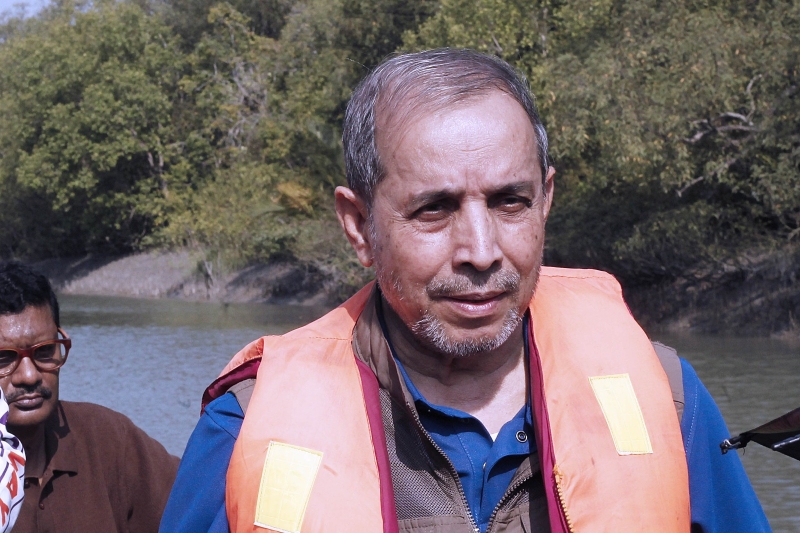
Boat trip inside the Sundarbans. Photo Rafiqur Rahman
It is the job of journalists to bring the experiences and ideas accumulated or acquired at the field and research levels for the purpose of sustainable development to the attention of the people and to create an environment for their practical application. For this, in an effort to build bridges of communication, Change Initiative and Bangladesh Environmental Journalists Forum (FEJB) organized a successful Sundarbans observation tour from April 9 to 11. This will further accelerate the campaign work to ensure sustainable forest management and effective participation of stakeholders.
Our experience on this tour was mixed. Everyone, including tour operators, is dumping garbage from their watercraft into the rivers and canals flowing through the Sundarbans. During low tide, this garbage can be found on the banks of the rivers and canals. The loud noise of the engines of the small boats carrying tourists in the canals embarrasses the wildlife in their sanctuaries, with them the human guests. We did not see any 50-100-year-old trees in the Sundarbans. Why? The forest managers will have to find the answer. The Sundarbans are still alive. But its deteriorating picture is visible to any observer.
Yet, sincere efforts to create a supportive environment for forest conservation by facilitating the life cycle, biodiversity, and livelihood of the human communities associated with the mangrove environment of the Sundarbans were also seen during this educational tour. However, those are inadequate compared to the vastness of this world heritage for mankind. Along with increasing such nature-friendly initiatives, it is important to take strict steps against nature-destroying activities. Again, all these efforts will be of little use unless the flow of the Ganges is maintained and a balanced mixture of fresh water from the upstream and brackish water from the sea is maintained in the Sundarbans area. Mangroves remain healthy and natural only with a balanced mixture of salt and fresh water. Due to its absence, the main tree species of the forest, the sundri tree, has been almost wiped out at many places of Sundarbans.