

- Iran vows to hit all ME economic hubs if US-Israeli attacks persist |
- Sammilito Islami Bank merger to continue: Governor |
- Biman Suspends Flights to Six Middle East Cities Over Tensions |
- Govt Announces 25pc Rail Fare Discount |
- Middle East War Puts Bangladesh Jobs at Risk |
UN Push for Stronger Support to Guide LDCs to Stability
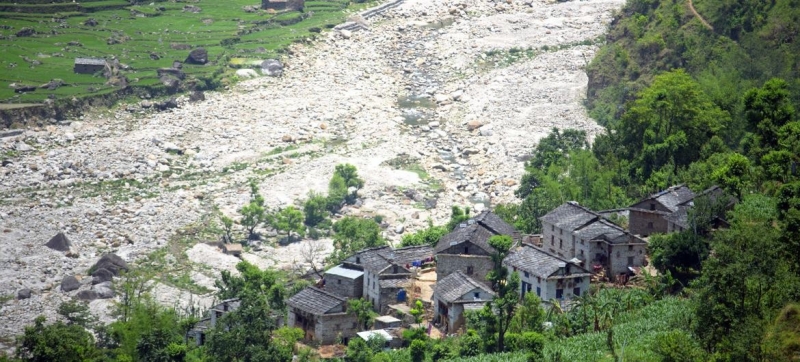
Many LDCs are also landlocked, like Nepal (pictured), leaving them particularly vulnerable to economic and climate shocks.
A major UN meeting in Doha concluded on Thursday with a renewed commitment to help the world’s poorest countries move towards long-term stability and prosperity, as senior officials called for stronger global partnerships to ensure that development gains are not lost once States exit the Least Developed Country (LDC) category.
Over three days, ministers, development partners and international agencies met to explore how LDCs can “graduate” successfully—meaning they have reached levels of income, education and resilience that lift them out of the UN’s most vulnerable grouping—and, crucially, remain on track afterwards.
The meeting centred on the Doha Programme of Action (DPOA), which aims to help 15 additional countries reach graduation by 2031.
Many LDCs remain highly exposed to climate shocks, conflict, debt pressures and trade disruptions. Without tailored support, experts warn that progress can quickly unravel.
Speaking at the closing session, Rabab Fatima, UN High Representative for LDCs, said the gathering had demonstrated “a strong collective will to ensure that graduation becomes a gateway to resilience, opportunity and sustainable prosperity.”
“Let us leave Doha inspired and united,” she said, urging deeper cooperation and “real incentives that help every country advance with the full support of the global community.”
Learning from Experience
Countries preparing to graduate—including Bangladesh, Lao People’s Democratic Republic and Nepal—shared lessons from their transition plans, while States that have already graduated discussed how to manage the shift away from preferential trade benefits and other forms of targeted international assistance.
A recurring theme was the importance of Smooth Transition Strategies, national plans that help governments adjust as LDC-specific support is phased out.
Delegates stressed that these strategies must be realistic, nationally driven and embedded in long-term development planning.
The meeting also underscored the need to strengthen productive capacity—particularly through digital and green transitions—and to expand trade opportunities for economies facing volatile global conditions.
New Boost for Support Facility
A core element of the discussions was the iGRAD Facility, a mechanism designed to help LDCs navigate the transition period. Qatar announced a $10 million pledge to bolster the facility, earning wide praise from participants.
Fahad Hamad Al-Sulaiti, Director General of the Qatar Fund for Development, said his country remained committed to turning the DPOA “into measurable progress for Least Developed Countries.”
The meeting, he added, had demonstrated “the power of collective action” and the importance of providing LDCs with “the tools, resources and partnerships they need to navigate the transition with confidence.”
Next Steps
The conference concluded with the Doha Agreed Statement on Global Partnerships for Sustainable Graduation, which outlines principles for a stronger, incentive-based approach to supporting graduating countries.
A full summary of recommendations will be published by OHRLLS and sent to the UN General Assembly ahead of key discussions in 2027, when the DPOA undergoes its midterm review.