

- Tarique Warns of Fresh Conspiracies, Vows to Defend Sovereignty |
- National Revolution and Solidarity Day Today |
- Tarique Rahman Pays Tribute at Zia, Khaleda’s Graves |
- Dhaka’s air quality 4th worst in the world this morning |
- US Launches Fresh Strikes on Iran Amid Peace Efforts |
US Launches Fresh Strikes on Iran Amid Peace Efforts
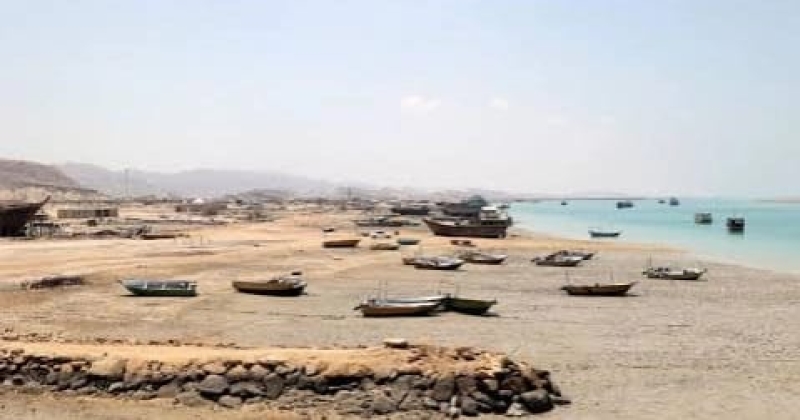
The United States carried out another round of limited military strikes against Iran on Friday, targeting an Iranian air defence system, President Donald Trump said, as Tehran reviewed new proposals from Qatar aimed at easing tensions between the two countries.
Iranian state media reported hearing two explosions in the Suza area of Qeshm Island, a strategically important location near the Strait of Hormuz, a major route for global oil shipments.
Trump described the operation as a minor military action, saying US forces had destroyed an air defence system recently developed by Iran. He made the remarks while speaking to reporters after arriving in West Palm Beach, Florida, on Friday.
Although Trump provided few details about the target, US officials have previously said that much of Iran's air defence infrastructure was destroyed or seriously weakened during Israeli attacks in June 2025 and subsequent US bombardments. Washington believes Tehran may gradually attempt to rebuild its military capabilities.
The latest operation followed what the US military described as defensive strikes on Monday. Explosions were reported on Qeshm and Hengam islands, as well as in the nearby mainland city of Bandar Abbas.
Friday's attacks were the first since Trump's Republican Party suffered major losses in Tuesday's US midterm elections. Republicans lost control of both chambers of Congress, with voter dissatisfaction over the administration's handling of the conflict and rising fuel prices contributing to the electoral setback.
Since the election, Trump has alternated between issuing severe warnings against Iran and expressing optimism that an agreement to end the conflict could be reached soon.
Qatar presents fresh proposals to Tehran
Meanwhile, Iran is reviewing new proposals from Qatar, which is mediating efforts to resolve disagreements between Washington and Tehran over Iran's nuclear programme, according to two Middle Eastern officials.
One of the officials said Iran was not currently prepared to negotiate its nuclear activities with the Trump administration unless Washington first accepted several key conditions that Tehran considers essential to a ceasefire agreement.
The nuclear issue remains a major obstacle to a broader settlement, with Trump insisting that Iran's nuclear programme must be addressed as part of any agreement to end the conflict, which has continued for more than eight months.
Both officials spoke anonymously because they were not authorised to discuss the sensitive diplomatic talks publicly.
Separately, US Central Command announced on Friday that Washington was offering rewards of up to $20 million, along with possible relocation assistance, for information about Iran's nuclear programme. The offer covers information about nuclear facilities, equipment, personnel and related movements.
The announcement directed interested individuals to the US State Department's Rewards for Justice programme.
Iran demands concessions before nuclear negotiations
The White House declined to comment on Qatar's latest diplomatic proposals. However, Trump confirmed that discussions with Tehran through mediators were continuing.
Trump said Washington had been in contact with Iran, while maintaining that the United States remained in a strong position in the conflict.
Tehran, however, continues to demand several concessions before agreeing to nuclear negotiations. Its conditions reportedly include ending the US blockade of Iranian ports, lifting economic sanctions, releasing frozen Iranian assets, providing compensation for wartime damage and stopping military operations across the region, including Israeli attacks in Lebanon.
Proposed interim agreement aims to build trust
Regional officials said Qatar had presented a possible temporary arrangement designed to build confidence between the two sides and prepare the ground for broader nuclear negotiations.
Under the proposal, both sides would implement a series of confidence-building measures over two days.
On the first day, Washington would lift its blockade of Iranian ports and release some of Iran's frozen financial assets. In return, Tehran would allow International Atomic Energy Agency (IAEA) inspectors to access nuclear facilities previously targeted by US and Israeli attacks.
On the second day, Iran would reopen the Strait of Hormuz under a modified arrangement previously agreed upon by Iran and Oman but not yet approved by the United States.
The proposed arrangement would remain temporary until a permanent agreement on managing the strategic waterway could be reached with the participation of other Gulf countries.
Once these initial steps were completed, Washington and Tehran would begin comprehensive negotiations on Iran's stockpile of highly enriched uranium and other aspects of its nuclear programme.
Iran has consistently maintained that its nuclear activities are intended for peaceful purposes. However, the IAEA estimates that the country possesses 440.9 kilograms of uranium enriched to 60 per cent purity, a level relatively close to the 90 per cent enrichment generally associated with weapons-grade material.
Regional diplomatic efforts intensify
Diplomatic engagement has increased in recent days, with leaders and senior officials across the Persian Gulf and other regions holding discussions to prevent further escalation.
On Friday, US Defence Secretary Pete Hegseth spoke with Qatar's Defence Minister, Sheikh Saoud bin Abdulrahman Al Thani, about the latest regional developments.
Qatar also confirmed that its emir had spoken with Trump to discuss diplomatic efforts aimed at reducing tensions.
Iranian Foreign Minister Abbas Araghchi held separate telephone conversations with his Iraqi and Tunisian counterparts to discuss the situation. During his discussion with Iraqi Foreign Minister Fuad Hussein, Araghchi reportedly outlined Tehran's position on restarting negotiations with Washington.
Egyptian Foreign Minister Badr Abdelatty, who had also spoken twice with Araghchi during the week, urged both sides to demonstrate flexibility and pursue compromise to prevent another major escalation.
Abdelatty stressed that diplomatic solutions were essential to prevent the region from entering another cycle of confrontation.
He also spoke with UAE Foreign Minister Abdullah bin Zayed Al Nahyan, emphasising the need for political negotiations to avert renewed military conflict and its potentially devastating consequences for regional stability.