

- Kuakata's natural beauty destroyed by intense sea erosion |
- 461 stranded tourists evacuated from Sajek Valley |
- 30,000 marooned as Khowai embankment breaches in Habiganj |
- Floods Leave Southern Chattogram Under Water |
- Karmasangsthan Bank Aims to Create 900,000 Jobs |
Pakistan Keeps Push for US-Iran Talks Despite Setback
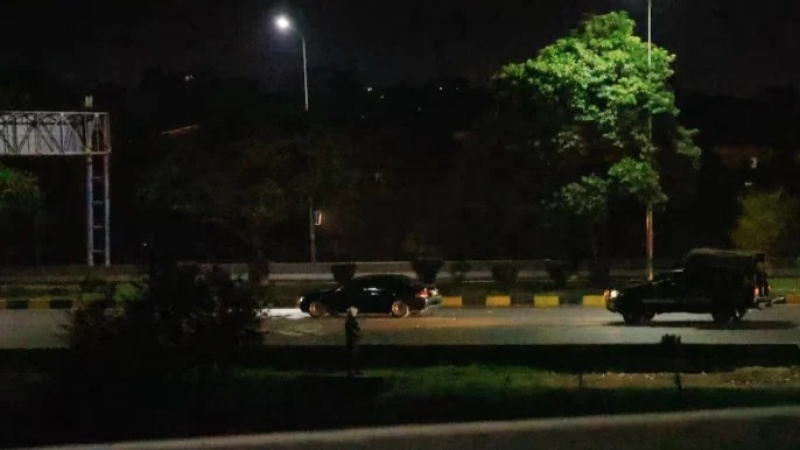
A motorcade believed to be carrying Iranian Foreign Minister Abbas Araghchi upon his departure, as Pakistan prepares to host the US and Iran for the second phase of peace talks in Islamabad, Pakistan, 26 April 2026.
Efforts continue to narrow differences between the United States and Iran through mediation, even after recent diplomatic setbacks that prevented face-to-face talks, according to sources involved in the process in Pakistan.
The developments follow the cancellation of a planned visit by US envoys, including Steve Witkoff and Jared Kushner, to Islamabad, where indirect discussions involving Iranian Foreign Minister Abbas Araghchi had been underway over the weekend. Former US President Donald Trump later stated that Iran should initiate contact if it seeks a deal, adding that nuclear issues remain non-negotiable.
Despite the setback, mediators in Pakistan say diplomatic engagement has not stopped, with discussions continuing through indirect channels aimed at keeping dialogue alive.
According to Iranian sources, a new phased proposal has been presented. The plan reportedly prioritises ending hostilities and addressing tensions in Gulf maritime routes, including access to the Strait of Hormuz, before moving on to broader negotiations over Iran’s nuclear programme. However, Washington maintains that nuclear concerns must be addressed from the outset, making agreement difficult.
The proposed framework also suggests addressing the lifting of restrictions and maritime disputes in early stages, while Iran continues to insist on recognition of its right to peaceful uranium enrichment.
As formal talks remain stalled, diplomatic movement has shifted across multiple capitals. Araghchi has travelled to Oman and later to Russia for discussions with President Vladimir Putin, reflecting efforts to keep international channels open.
In Islamabad, preparations for in-person negotiations were scaled back after expectations of a meeting collapsed. Streets that had been temporarily restricted reopened, and a hotel prepared for talks resumed normal bookings. Officials confirmed that discussions are now continuing remotely, with no immediate plans for direct meetings until substantial progress is made.
On the US side, Trump reiterated that Iran must first show readiness for a clear agreement, stressing that preventing Tehran from acquiring nuclear weapons remains the core objective.
Meanwhile, global oil markets reacted to the uncertainty, with prices rising amid concerns over potential disruption in Gulf shipping routes.
Even as diplomatic efforts continue behind the scenes, both sides remain far apart on key issues, including sanctions relief, uranium enrichment and maritime security. Observers say the process is now shaping into a prolonged test of endurance, with neither side showing willingness to make early concessions.