

- Uncertainty over possible US-Iran talks as Trump extends ceasefire |
- Bangladesh eyes broader bilateral engagements with African nations |
- Trump Extends Iran Ceasefire, Seeks Time for Talks |
- SSC and Equivalent Exams Begin Nationwide |
- US, Iran Signal War Readiness as Talks Hang in Balance |
Iran Refuses Hormuz Reopening Amid US Naval Blockade
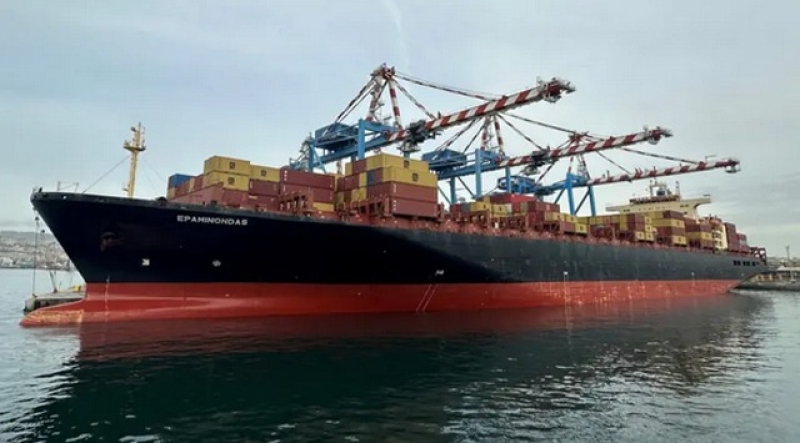
Iran has said it will not reopen the Strait of Hormuz as long as a United States naval blockade remains in place, despite a recent extension of the ceasefire.
The statement came as tensions persisted over stalled peace efforts, even after US President Donald Trump signalled more time for negotiations through Pakistan-mediated talks. Tehran acknowledged Islamabad’s diplomatic efforts but stopped short of confirming its participation in any renewed dialogue.
Iranian Parliament Speaker Mohammad Bagher Ghalibaf said a ceasefire cannot be considered meaningful if it is undermined by continued naval restrictions. He stressed that reopening the key shipping route would not be possible under what he described as a violation of the truce.
The standoff has added to uncertainty in global energy markets. The Strait of Hormuz handles roughly one-fifth of the world’s oil supply, making any disruption a major concern for international trade and energy prices.
In a further escalation, Iran’s Islamic Revolutionary Guard Corps reported seizing two vessels attempting to pass through the strait, alleging violations of maritime rules. The ships, identified as foreign-flagged commercial vessels, were redirected to Iranian shores. Maritime security monitors also reported multiple incidents involving commercial ships, including one that came under fire but reported no casualties.
The United States, meanwhile, has maintained its naval presence in the region, aiming to enforce restrictions on vessels linked to Iranian ports as part of broader pressure tactics. Both sides have accused each other of breaching the ceasefire, keeping the situation volatile.
Despite the fragile truce, diplomatic uncertainty remains. Planned talks in Islamabad have yet to be confirmed, with US Vice President JD Vance postponing his expected visit pending clarity from Tehran.
The ongoing standoff has also had wider regional implications, with continued violence reported in Lebanon despite a separate ceasefire arrangement. Analysts warn that without a breakthrough in negotiations, the risk of renewed conflict in the region remains high.