

- Trump reviews peace plan; UN calls for Hormuz to reopen |
- SC upholds Ex-Chief Justice Khairul Haque’s bail in 5 cases |
- Rosatom DG Alexey Likhachev meets PM Tariqur Rahman |
- White House says Iran’s new proposal to end war ‘being discussed’ |
Lightning Deaths Rise as Rural Bangladesh Lacks Safety
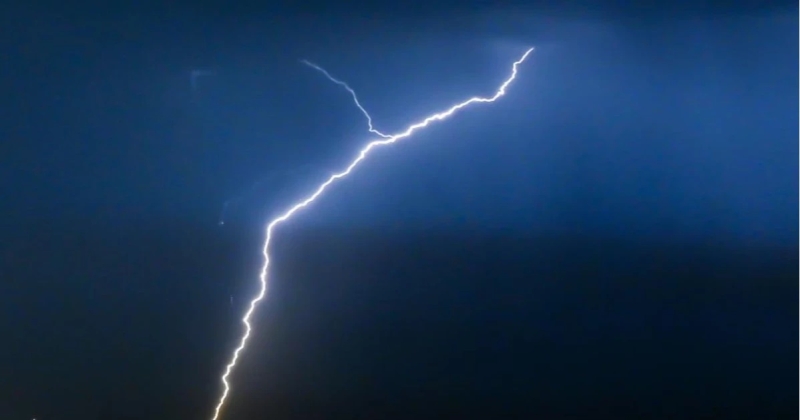
At least 11 people, including seven farmers, have been killed by lightning strikes since Monday evening, drawing fresh attention to a growing but often neglected climate threat in Bangladesh.
Nine of the deaths were reported on Sunday in Gaibandha, Bogura, Thakurgaon, Sirajganj and Natore. On Monday afternoon, two farmers were struck and killed while harvesting paddy in haor areas of Sunamganj Sadar upazila, while three others were injured in nearby Shantiganj.
Experts link the rising number of fatalities to climate change, which is intensifying storm systems and increasing the frequency of lightning strikes. Bangladesh records an average of around 300 lightning-related deaths each year, according to the United Nations.
Figures from the Save the Society and Thunderstorm Awareness Forum (SSTF) show that 297 people died from lightning between February and September in 2024. In an earlier period from April 2022 to May 2023, at least 340 deaths were recorded. In contrast, the United States reports fewer than 20 such deaths annually, despite having a significantly larger population.
Scientists, including those from NASA, say global warming is increasing atmospheric instability, leading to more frequent and intense thunderstorms. Although Bangladesh recognised lightning as a natural disaster in 2016, fatalities continue to rise, largely due to gaps in awareness, preparedness and protective infrastructure.
Farmers remain the most vulnerable, as they spend long hours in open fields during the monsoon, when lightning activity peaks. In the haor regions of northeastern Bangladesh, vast wetlands that sustain livelihoods also leave communities exposed, with little access to safe shelters during sudden storms.
The government says it is stepping up efforts to reduce casualties through early warning systems, plantation drives and the installation of lightning protection towers. Plans are also underway to introduce sirens in high-risk areas to alert residents ahead of storms.
However, experts and lawmakers warn that existing measures are not enough. They point to shortages in shelters, data systems and equipment, particularly in remote rural areas. Calls have been made for more research and science-based planning to better address the risks.
The SSTF has expanded awareness campaigns and issued safety guidelines for people working outdoors. These include avoiding open fields and water bodies during storms, not taking shelter under trees, and seeking refuge in concrete structures whenever possible. Children are also advised to stay indoors during thunderstorms.
Safety specialists stress that many lightning deaths are preventable with simple precautions. The safest option during a storm is to remain inside a fully enclosed building or a vehicle. Those caught outdoors should avoid elevated areas and minimise contact with the ground.
As extreme weather becomes more frequent, experts warn that without sustained awareness and stronger protective measures, lightning will continue to claim hundreds of lives each year, particularly among vulnerable rural communities.