

- BNP govt to take office with economy at a crossroads |
- Pahela Falgun brings colour, music as spring begins |
- New MPs, cabinet members to be sworn in Tuesday |
- Mamata sends sweets, flowers to Tarique Rahman |
6,000 killed in RSF assault on Sudan’s El-Fasher: UN
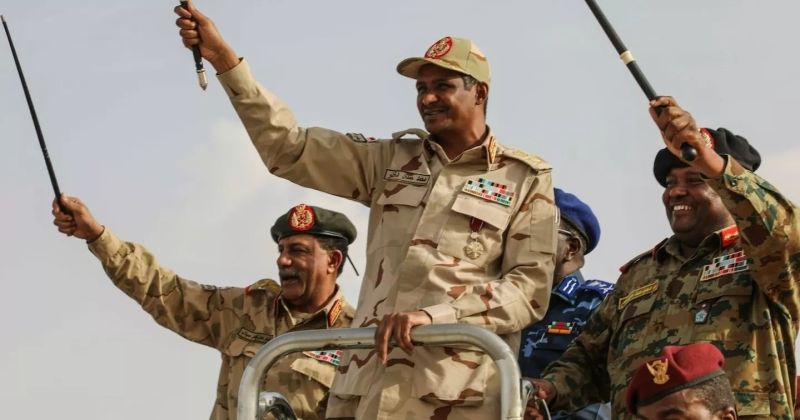
More than 6,000 people were killed during a three-day assault by Sudan’s paramilitary Rapid Support Forces on the Darfur city of El-Fasher in late October, according to a report released by the United Nations on Friday.
The UN Human Rights Office described the attack as violence “shocking in its scale and brutality,” citing widespread killings, executions, sexual violence, abductions, torture and enforced disappearances that may constitute war crimes and crimes against humanity.
According to the report, fighters from the Rapid Support Forces and allied Arab militias captured El-Fasher on Oct. 26 after an 18-month siege, overrunning the Sudanese army’s last major stronghold in Darfur. At least 4,400 people were killed inside the city between Oct. 25 and Oct. 27, while more than 1,600 others died while trying to flee.
Investigators based their findings on interviews with 140 victims and witnesses, supported by satellite imagery and video analysis. The report warned that the actual death toll is likely “significantly higher.”
Around 500 civilians sheltering in a university dormitory were killed by heavy weapons fire, while about 600 others, including dozens of children, were reportedly executed in university facilities on the same day.
Separate incidents were also documented. At least 460 people were killed when RSF fighters stormed a maternity hospital on Oct. 28, and about 300 others died in shelling and drone strikes on a displaced persons’ camp earlier that week.
Sexual violence was described as widespread, with women and girls from non-Arab communities particularly targeted. Survivors told investigators that rape and gang rape were systematically used as weapons of war.
Thousands of people were reportedly abducted or detained in RSF-run facilities, including a children’s hospital converted into a detention centre, with many still missing.
UN human rights chief Volker Türk called for accountability, warning that continued impunity could fuel further violence in Sudan’s ongoing conflict, which began in April 2023 and has triggered one of the world’s worst humanitarian crises.