

- Home After 17 Years: Tarique Returns to Gulshan Residence |
- Tarique Calls for United Effort to Build a Safe Bangladesh |
- Tarique leaves for 300 feet area from airport |
- BNP top leaders welcome Tarique Rahman on homecoming |
- Flight carrying Tarique, family lands in Dhaka |
India launches heaviest satellite with Baahubali rocket
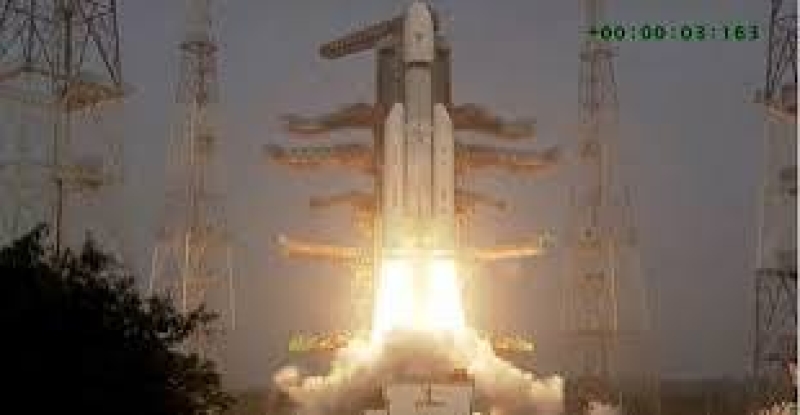
India on Tuesday successfully launched its heaviest-ever satellite, BlueBird 6, into orbit using the ‘Baahubali’ rocket, Launch Vehicle Mark-3 (LVM3)-M6, from the Sriharikota spaceport in Andhra Pradesh. The satellite, developed by US-based AST SpaceMobile, aims to provide direct broadband connectivity from space to ordinary smartphones without requiring any special equipment.
The 43.5-metre tall rocket, supported by two S200 solid boosters, lifted off at 8:55 am from the second launch pad. After a flight of approximately 15 minutes, the BlueBird Block-2 satellite separated from the rocket and reached its intended orbit at about 520 km above Earth.
Dr V Narayanan, Secretary of the Department of Space and ISRO Chairman, said the mission “successfully and precisely injected the satellite into its orbit” and marked the third fully commercial launch of LVM3, showcasing India’s growing capabilities in heavy-lift space missions.
Prime Minister Narendra Modi called the launch “a significant stride in India’s space sector,” noting it strengthens the country’s commercial launch presence and heavy-lift capability.
The mission was carried out under a commercial agreement between NewSpace India Ltd (NSIL), ISRO’s commercial arm, and AST SpaceMobile. The launch was delayed by 90 seconds to avoid potential collision with space debris or other satellites, highlighting the increasing congestion in low Earth orbit.
The LVM3 rocket, India’s largest three-stage launch vehicle, has previously launched Chandrayaan-2, Chandrayaan-3, and multiple OneWeb satellites, underlining its reliability in both national and commercial space missions, reports UNB.