

- Body of Osman Hadi Returns to Dhaka From Singapore Late |
- Fakhrul condemns attacks on media, calls for unity, justice |
- 2 cops among 4 hurt in clash outside Indian Assit H.C. in Ctg |
- Inqilab Moncho urges people to avoid violence |
- Hadi’s death: Prothom Alo, Daily Star offices set afire |
Civilian Toll Rises as Fighting Escalates in Sudan
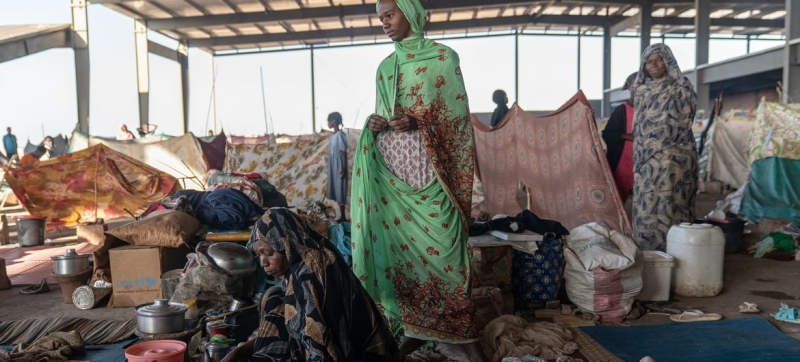
Civilians casualties are rising as fighting intensifies in Sudan
As conflict intensifies between rival militaries in Sudan, the UN humanitarian wing (OCHA) expressed alarm on Monday over mounting civilian casualties and worsening humanitarian conditions across the country.
It has now been 842 days since fighting broke out between troops from the military government and their former allies-turned-rivals in the paramilitary Rapid Support Forces, turning Sudan into the world’s largest humanitarian crisis.
Heavy clashes continue in North Darfur State, with multiple civilian casualties reported in recent days – most notably during battles in the state capital, El Fasher, on 1 and 2 August – following earlier violence between armed groups near the Abu Shouk camp for displaced people, which currently hosts 25,000 residents.
One year after famine was confirmed in Zamzam camp on the outskirts of El Fasher, the city remains under siege. With no food aid entering by road, residents of the regional capital are facing an escalating risk of starvation.
Prices of staple foods such as sorghum and wheat are now more than four times higher than elsewhere in the country, while many families cannot afford even the most basic items.
“Limited cash assistance continues, but it is nowhere near enough to meet rising needs,” said Deputy UN Spokesperson Farhan Haq on Monday in New York.
Meanwhile, cholera continues to spread across Darfur, with nearly 1,200 cases – about 300 of them children – reported in Tawila since late June.
In South Darfur, health authorities have reported over 1,100 suspected cases and 64 deaths since late May, as “shortages of medical supplies, clean water and sanitation services are severely hampering the humanitarian response,” Mr Haq said.
The UN Children’s Fund (UNICEF) warns that the lives of more than 640,000 children under five are at heightened risk from violence, disease and hunger in the region.
In Blue Nile State, floods in Ed Damazine displaced more than 100 people and destroyed at least 200 tents at Al-Karama camp on 1 August, further compounding the hardships faced by those displaced by conflict.
Meanwhile, in Khartoum State, the presence of deadly landmines in multiple locations adds a dangerous new layer to the threats civilians already face daily.
As OCHA’s Director of Operations, Edem Wosornu, visits Sudan this week to assess the humanitarian situation, the agency has called for sustained and expanded humanitarian access along with greater international support for the most vulnerable.