

- Stocks advance at both bourses; turnover improves |
- LCs surge for stable dollar, but settlement still sluggish |
- Recruiting agencies’ explosive growth in BD unchecked: RMMRU |
- Dhaka’s air quality recorded ‘unhealthy’ Thursday morning |
- LPG Traders Announce Nationwide Halt to Cylinder Sales |
Severe cold wave paralyses Chuadanga
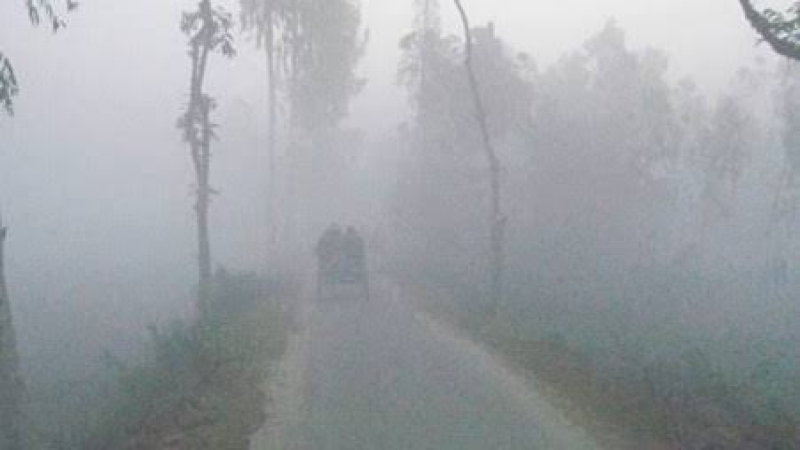
The sudden surge of intense cold in the southwestern border district of Chuadanga has disrupted normal life, with heavy fog and freezing temperatures emptying streets early in the morning.
People are avoiding outdoor activities unless necessary, leaving daily wage earners and marginalised communities most affected.
At 9 a.m. Wednesday, Chuadanga Meteorological Observatory recorded a season-low temperature of 6.9°C, with humidity around 95 percent.
The Meteorological Department said a moderate cold wave is currently sweeping the district.
Since early morning, the city’s streets, bus stops, and sidewalks have been crowded with workers seeking warmth, often by lighting small fires with straw or wood.
Labourers report extreme difficulty performing routine work, and many return home frustrated or fall ill due to prolonged exposure.
Farmers and day laborers said working in the early hours is exhausting, and health risks rise in the cold.
Hospitals in Chuadanga, including the district hospital, are seeing higher patient numbers, with children and the elderly most affected by pneumonia, respiratory issues, colds, and diarrhea.
Students commuting for private lessons face difficulties as fog and icy winds make travel risky, impacting their studies.
The cold has also reduced school attendance and caused stagnation in markets, shops, banks, and financial institutions, with fewer customers and lower activity compared to normal days.
Jaminur Rahman, in charge of Chuadanga First-Class Meteorological Observatory, said the moderate cold wave is expected to continue until January 11–12, with potential for further temperature drops, reports UNB.