

- Gaza Ceasefire Not Enough as Children Continue to Die |
- Bangladesh Sets Guinness Record With 54 Flags Aloft |
- Gambia Tells UN Court Myanmar Turned Rohingya Lives Hell |
- U.S. Embassy Dhaka Welcomes Ambassador-Designate Brent T. Christensen |
- Survey Shows Tight Race Between BNP and Jamaat-e-Islami |
India Plans to Revive WWII-Era Airstrips Near Bangladesh
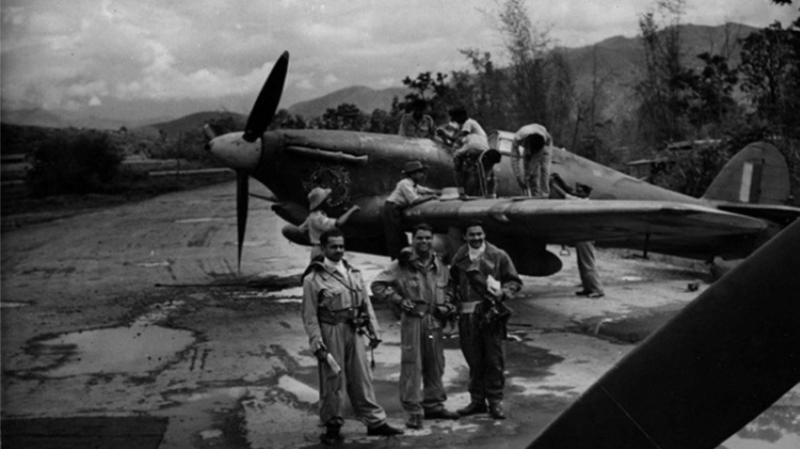
India is preparing to restore a network of abandoned World War II-era airstrips across its eastern and north-eastern states amid growing security concerns along the Bangladesh border and renewed strategic focus on the Siliguri corridor, the narrow land link connecting India’s northeast with the mainland.
Government sources say the initiative will revive several defunct airfields in West Bengal, Assam, and Tripura, most originally built during World War II. The move aims to strengthen regional connectivity and enhance operational readiness in border states at a time when India-Bangladesh relations are reportedly strained.
The decision comes amid concern over Bangladesh’s recent redevelopment of the Lalmonirhat airbase near Rangpur, close to the Siliguri corridor. Over the past year, Bangladesh has issued warnings about potential threats to this strategically vital passage, often referred to as the “Chicken’s Neck.”
India has already bolstered its military presence in the region, establishing new Army bases at Chopra in West Bengal, Kishanganj in Bihar, and Lachit Borphukan in Assam’s Dhubri district. The airstrips identified for renovation include Ambari and Panga in Jalpaiguri, Balurghat in South Dinajpur, Jhaljhalia in Malda, and Dhubri in Assam. Cooch Behar in West Bengal and Rupsi in Assam’s Kokrajhar district are already operational.
During World War II, India’s northeast served as a crucial logistical base for Allied operations against Japanese forces in Burma (now Myanmar). Tripura, Assam, and Bengal hosted dozens of airstrips supporting the Burma Campaign, the China–Burma–India theatre, and supply routes such as the Ledo (Stilwell) Road.
Several of these bases accommodated American forces, including B-24 Liberators and B-29 Superfortresses, while airfields such as Hailakandi and Dudhkundi played key roles in bombing, transport, and special operations. Rupsi, originally constructed by the British to supply Allied troops, later served civilian aviation before being revived under the UDAN scheme in 2021 for commercial and military use.
By restoring these historic airfields, India aims not only to reconnect remote regions but also to reinforce strategic depth in an area that once shaped the outcome of a world war and could prove critical to national security once again.