

- $1 for Nature, $30 for Its Destruction: UN Warns |
- Madhyanagar Upazila in limbo four years after formation |
- BNP leader injured in gun shot in Keraniganj |
- Tarique’s 1st day 16-hours campaign runs till 5am Friday |
- Farmer suffers Tk 10 lakh as watermelon field vandalized in Sylhet |
Bangladesh Rejects ‘Bengali’ Label for Rohingya at ICJ
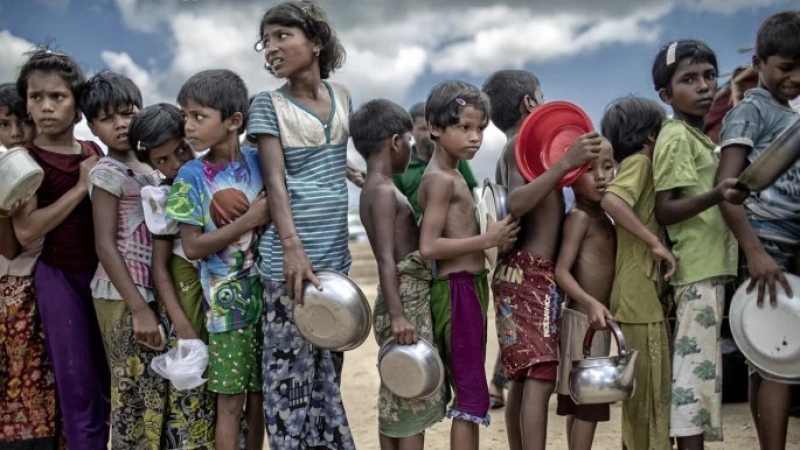
Bangladesh has strongly criticised Myanmar’s submissions to the International Court of Justice (ICJ) in the genocide case brought by The Gambia, accusing Naypyidaw of deliberately misrepresenting the Rohingya as “Bengalis” to justify past atrocities and avoid accountability.
In a statement issued on January 23, the Ministry of Foreign Affairs said Bangladesh “takes serious exception” to Myanmar’s portrayal of the Rohingya as “illegal migrants” and “internal security threats,” claims used to justify the 2016–17 military operations in Rakhine State as counter-terrorism measures. Dhaka said such arguments were aimed at diverting international attention from atrocity crimes committed against the community.
The case, filed in 2019, accuses Myanmar of committing genocide against the Rohingya, a predominantly Muslim minority from western Rakhine State.
Bangladesh reiterated that the Rohingya are a distinct ethnic group with deep historical, cultural, and social roots in Arakan, now Rakhine State, predating modern borders. Their presence, the statement said, is supported by historical records, colonial-era documents, and independent research, making claims of recent migration historically inaccurate.
The government noted that the Rohingya actively participated in Myanmar’s political and social life until the 1982 Citizenship Law excluded them on ethno-religious grounds. Despite long-standing discrimination, they retained voting rights until being fully disenfranchised ahead of the 2015 general elections.
Calling the use of the term “Bengali” a systematic denial of the Rohingya’s right to self-identify, the statement said the label has been used to justify their exclusion, persecution, and eventual ethnic cleansing during the 2016–17 period. It added that Myanmar itself recognised the Rohingya as lawful residents in a bilateral repatriation agreement signed with Bangladesh in 1978.
Bangladesh also rejected Myanmar’s claim that around half a million Bangladeshis took refuge in Rakhine during the 1971 Liberation War, describing it as unsubstantiated and unsupported by demographic evidence.
The statement said Myanmar’s continued failure over the past eight years to create conditions for safe return and reintegration of the Rohingya violates bilateral agreements signed in 2017–18.
Urging Myanmar and others exercising authority in Rakhine to act responsibly, Bangladesh called for genuine recognition of the Rohingya as an integral part of Myanmar’s society and state, and for their reintegration with equal rights, security, and dignity.