

- Dhaka's air 5th worst in the world this morning |
- Around 7,500 Bangladeshis imprisoned in Saudi Arabia: Shama Obaed |
- Bangladesh Outperforms India in Global Hunger Index 2026 |
- Covered van hits Gazipur police patrol team, killing SI, BNP leader |
- Korean City scrambles to rescue dusky shark after it returns to canal |
The Donkey That Unleashed the Devil Within Us.
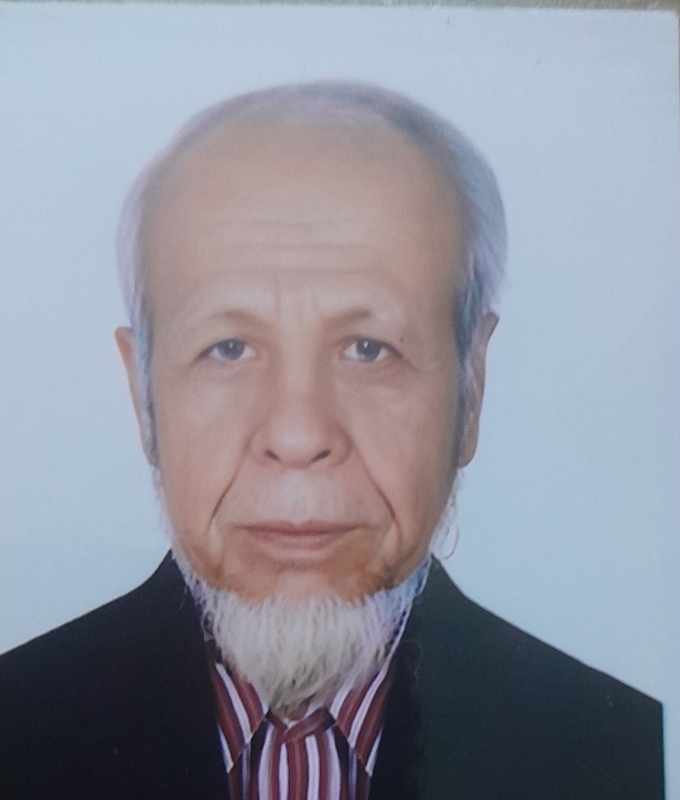
Siddiqur Rahman
A tragic tale of anger, revenge and the consequences of uncontrolled reactions
I would like to draw the kind attention of our readers to a story whose tragic consequences are almost too painful to express in words. Though it may appear to be a simple tale about a donkey, beneath it lies a profound lesson about human nature, anger, revenge and the terrible consequences of acting without restraint.
Once upon a time, a farmer kept a donkey to help him with his daily household and agricultural work. Every day, after feeding it grass, he would tie it securely to a tree.
One day, the farmer had to travel urgently to the nearest town on an important matter. Unfortunately, he returned home much later than expected.
During his absence, the devil—driven by an evil intention—untied the donkey and set it free.
The donkey wandered into a neighbouring farmer's field and began trampling and destroying the crops. When the farmer's wife saw what was happening, she became furious. Unable to control her anger, she began beating the helpless animal mercilessly. She continued until the donkey eventually died.
When the donkey's owner returned and learned of its death, he lost control of himself. In a fit of rage, he took a gun and shot the farmer's wife dead.
Hearing the terrible news, the farmer was overwhelmed by grief and anger. Blinded by emotion, he attacked the donkey's owner and struck him so violently on the head that the man died.
The tragedy did not end there.
The wife of the donkey's owner, consumed by grief and anger over the death of her husband, incited her two sons to burn down the farmer's house. The sons carried out their mother's command, believing that the farmer was inside the house and would be burned to death.
Fortunately, the farmer was away at that moment and escaped.
When he learned what had happened, however, he once again surrendered himself to anger and revenge. Together with some villagers, he attacked the house of the donkey owner's family. In the ensuing violence, the woman and her two sons were killed.
And then—silence.
A few days later, when the anger had subsided and the terrible events had begun to sink into his mind, the farmer sat alone and reflected upon what had happened.
He was filled with remorse.
He realised that none of it should ever have happened.
One innocent animal had entered a field and damaged some crops. From that relatively small incident, a chain of anger, retaliation and revenge had unfolded. One death had led to another, then another, until several human lives had been lost and families had been destroyed.
But by then, it was too late.
The dead could not return. The suffering could not be undone. The tears could not repair what had been destroyed.
As the farmer sat brooding over the tragedy, the devil appeared and said:
“I did nothing more than unleash the donkey. After that, you all reacted. One reaction produced another, and each reaction became more violent than the one before. You repeatedly allowed the devil within you to come outside. You became enemies of one another and, in the end, paid for your anger with precious human lives.”
The farmer remained silent.
The devil's words revealed the bitter truth.
The donkey had started the incident—but anger, revenge and uncontrolled human reactions turned a small misfortune into a devastating tragedy.
The Moral Lessons We Should Learn
This tragic story carries several lessons that are highly relevant to human society.
1. Anger can destroy what reason would protect.
Anger is a natural human emotion, but uncontrolled anger can make a sensible person act irrationally. A moment of rage can create consequences that last a lifetime.
2. Do not answer every wrong with another wrong.
When we respond to wrongdoing with revenge, the conflict rarely ends. Instead, it creates a chain of retaliation in which each person considers his own action justified.
3. Revenge has no natural end.
One person seeks revenge for a loss; another seeks revenge for that revenge. Soon nobody remembers how the conflict began. What remains is hatred, suffering and destruction.
4. Think before you act.
Before taking any action in anger, we should ask ourselves: Will this solve the problem, or will it make the situation worse? A few moments of patience can sometimes save many years of regret.
5. We must learn to control the “devil within us.”
The most dangerous devil is not always outside us. It can be our own anger, hatred, pride, jealousy and desire for revenge. If we cannot control these emotions, they can control us.
6. Forgiveness and restraint are signs of strength, not weakness.
Walking away from revenge does not mean accepting injustice. It means refusing to allow anger to dictate our actions.
The Greatest Lesson
The deepest lesson of this tragic tale is that the first incident may be beyond our control, but our reaction to it is often within our control.
The donkey was unleashed by the devil, but the Cont. subsequent tragedy was created by human beings who repeatedly chose anger over reason and revenge over reconciliation. The devil may open the door but it is we who decide whether to let him enter or not.