

- Who gets to shape AI? UN debate centres on power, trust and inclusion |
- PM Tarique Rahman likely to visit Japan later this month |
- PM Tarique Heads to Feni for Daylong Programmes |
- Long-term support for Manta gypsy fishing community urged |
- Customs blocks import of nearly 2000 drones by Chawk Bazar trader |
PM Tarique Rahman likely to visit Japan later this month
Energy, investment, soft loans, human resource, Rohingya issues to feature talks
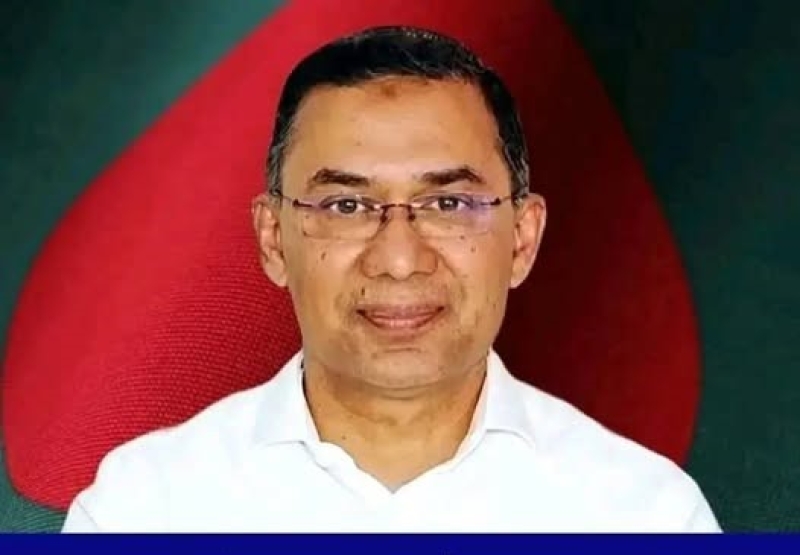
Prime Minister Tarique Rahman
Imtiaz Ahmed
Trade, investment, soft loans in mega projects, recruitment of Bangladeshis, energy, war in the middle-east and Rohingya issues are most likely to dominate the upcoming visit of Bangladesh Prime Minister Tarique Rahman to Japan later this month, top diplomatic sources in Dhaka and Tokyo said.
Both Dhaka and Tokyo are working on selecting time (probably during October 20-30) and the prioritised issues to be discussed during the meeting between the two Prime Ministers of Bangladesh and Japan, diplomatic sources said
Prime Minister of Bangladesh Tarique Rahman is likely to visit Turkey in November to attend the COP31 summit at the invitation of Turkey President Recep Tayyip Erdogan, sources said.
The Prime Minister is also expected to visit India and KSA later this year as the Indian Prime Minister Narendra Modi and Crown Prince and Prime Minister of Saudi Arabia Mohammed bin Salman invited Bangladesh PM to visit their respective countries, diplomatic sources said.
Sources said Prime Minister of Japan Sanae Takaichi has recently sent an invitation letter to Prime Minister of Bangladesh Tarique Rahman to visit Japan at a mutually convenient time as BNP got a landslide majority in the February 12, 2026 parliament and formed the government on February 17, 2026.
Japan has been one of the most trusted development partners of Bangladesh since independence. However, in the recent past Japan has developed interest in geopolitical and strategic issues involving Bangladesh, said a Bangladesh diplomat who worked in Japan.
The present BNP government has presented a budget that included a number of mega and small projects involving overseas soft loans.
“The upcoming visit of Bangladesh Prime Minister Tarique Rahman to Japan at the invitation of Prime Minister of Japan Sanae Takaichi is expected to give a new boost to the bilateral relations between Bangladesh and Japan to a new height, said a high official of the Ministry of the Foreign Affairs
The war in the middle-east has compelled the new BNP government to increase energy prices, reduce dependence on Gulf counties and explore new sources of energy. Against this backdrop, the government has been working on increased engagement with new countries in the energy sector, diplomatic sources said.
Japan is an important source of soft loans and Bangladesh will seek increased Japanese participation in the development sector, said an official of the Ministry of Foreign Affairs …….
Japan has shown deep interest in setting up a LNG terminal in Bangladesh to ease the energy crisis against the global energy crisis and lack of availability of the products in time, diplomatic sources said .
“Migration will surely figure prominently during the talks. Both countries are unlikely to sign a deal on recruitment of Bangladeshi workers during the visit, but talks would have a healthy impact on bilateral human resource management. Dhaka will urge Tokyo to give priority in recruiting Bangladeshis in the coming days,” sources said.
The number of Japanese people living in Japan has dropped below 120 million for the first time in 42 years, government data showed, as the nation confronts a low birth rate and an aging society, according to Japan Times
As of Jan. 1, the population of Japanese residents in Japan stood at 119.74 million, down 0.76% from the previous year, according to the Ministry of Internal Affairs and Communications.
The population of Japanese residents has been declining for 17 consecutive years since peaking in 2009, according to the survey, which began in 1968.
However, the population of foreign residents living in Japan increased by 353,696 (9.62%) to 4.03 million — the highest level since record-keeping began in 2013, according to the ministry. The number of people who moved to Japan from abroad reached a record high of 720,988 in 2025.
Meanwhile, the number of Bangladeshis in Japan has increased during the last two years as Dhaka and Tokyo have set up some constructive steps in recruitment of Bangladeshi students and migrants, diplomatic sources said
The number of Bangladeshis stood at 44,938 in 2024 and as of June 30, 2026, the number of Bangladeshis stood at some 57,000 and is likely to reach 62,000 by December 2026.
The number of Bangladeshis is likely to reach 85,000--90,000 by December 2027, based on the present conditions, diplomatic sources said.
Sources said that some 3-lakh Nepalese and 4 lakh Vietnamese live in Japan compared to 57,000 Bangladeshis in Japan.
Japan is eyeing Nepalese, Indonesian, Viennese, Filipinos, Thai and Cambodian citizens and Bangladesh should eye the G-7 country grooming manpower, said an official of the Bureau of Manpower, Employment and Training (BMET).
Meanwhile, Bangladesh Ambassador to Japan Md. Daud Ali arrived in Tokyo in December, 2024, and the working relations between Japan and Bangladesh gained new momentum that have been lost in recent years with the political posting of the Bangladesh diplomat in Tokyo, reliable sources in Dhaka and Tokyo said.
The USA-Israel imposed war on Iran has hit the overseas employment of Bangladesh creating an uncertainty in the overseas job market, said a leader of Bangladesh Association of International Recruitment Agencies (BAIRA).
Since independence, Japan has committed to provide ODA support of more than US$ 30.32 billion as project aid, food aid and commodity aid.
An official of the Economic Relation Division (ERD) underscored Japan’s long-standing partnership with Bangladesh, highlighting its consistent efforts to support Dhaka’s economic development over the years.
During the upcoming visit of the Prime Minister to Tokyo, Bangladesh is likely to seek Japanese intervention in rehabilitating 1.2 million Rohingya refugees in the Rakhine state of Myanmar, as Japan and Myanmar have some engagement in social, political and economic engagements, sources said.
Nearly 1.2 million Rohingya refugees remain trapped in camps in Cox’s Bazar and on Bhasan Char, unable to return safely to Myanmar and increasingly vulnerable to aid cuts as global humanitarian funding declines.
Since 2017, Japan has contributed more than $250 million to UN agencies and humanitarian organizations responding to the Rohingya crisis in Bangladesh.
Japanese Ambassador to Bangladesh Saida Shinichi emphasized Tokyo’s continued commitment to supporting both refugees and the Bangladeshi communities that have hosted them for years.
Meanwhile, Japan has pledged $16.5 million in humanitarian assistance in March 2026 to support Rohingya refugees and vulnerable host communities in Bangladesh, reaffirming its role as one of the most consistent international partners responding to one of the world’s most protracted displacement crises.
Today, Bangladesh hosts the largest refugee settlement in the world, where the Rohingya population remains heavily dependent on international humanitarian assistance.
Prime Minister Tarique Rahman recently urged Japan to recruit more skilled Bangladeshi workers while seeking more active Japanese cooperation in human resource development, skills enhancement and increased investment.