

- Stocks end week sharply lower as DSE, CSE indices tumble |
- 'Not all collections in the road transport sector is extortion': Sk Rabiul |
- Zubaida, Zaima take iftar with orphan students |
- Dhaka ranks second among world’s most polluted cities Friday |
- Dhaka to maintain ties with all countries with dignity |
India’s New Trade Deals Boost Clout, Test Reforms Ahead
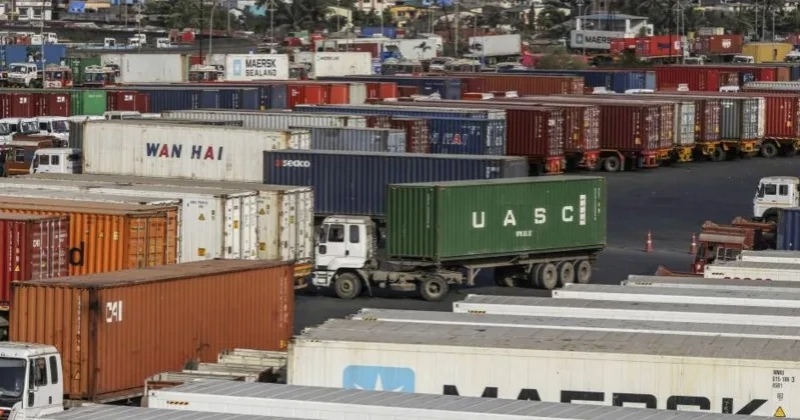
India has historically exhibited a low utilisation rate for its free trade agreements
A string of major trade agreements signed this year has elevated India’s standing in global commerce, but economists caution that deals alone will not deliver a lasting export boom without deep domestic reforms.
Ahead of March, New Delhi finalised sweeping trade pacts with the European Union and the United States, moves officials hail as historic. Although critics argue the interim arrangement with Washington tilts in America’s favour, the agreements mark India’s 10th free trade pact since 2014 and signal a decisive shift from years of protectionist policy.
Riding this momentum, India has also agreed to launch negotiations with the Gulf Cooperation Council, whose six member states account for roughly 15 percent of its global trade.
Trade specialists welcome the direction but warn that free trade agreements are no magic solution. India has historically underused such deals, with utilisation rates near 25 percent, far below the 70–80 percent typical in advanced economies.
Many exporters, especially small and medium-sized firms, struggle with complex procedures, compliance costs and limited awareness of agreement provisions, often eroding the benefits of reduced tariffs.
Consultancy data show exports to FTA partner countries have grown modestly, while imports have risen much faster, exposing weaknesses in exploiting preferential market access. Newer accords with partners such as Australia and the United Arab Emirates show stronger outcomes, aided by better infrastructure and quicker dispute settlement.
Significant hurdles persist. Exporters point to stringent Rules of Origin, costly documentation, non-tariff barriers and uneven customs enforcement as major constraints. Under the India–EU pact, businesses must self-certify product origin, transferring legal and financial risk directly onto exporters.
Experts say India must also tackle structural competitiveness gaps to rival regional manufacturing hubs such as Vietnam and Bangladesh. Faster logistics, predictable customs clearance, reliable infrastructure and lower transaction costs are viewed as essential.
While India has advanced in high-tech manufacturing, including assembling smartphones for global brands, it continues to trail in labour-intensive sectors like textiles, footwear and furniture.
With the agreements now in place, analysts say implementation will determine success. Cutting red tape, reducing logistics expenses and building a genuinely export-friendly environment will be crucial if India is to attract investment, create jobs and achieve its ambitious goal of $1 trillion in annual exports.