

- No evidence of postal ballot irregularities found: EC Sanaullah |
- Bangladesh Bank injects Tk 9,178 crore to ease liquidity strain |
- No LPG Shortage Expected During Ramadan: BERC Chairman |
- Tarique Rahman Meets Chief Adviser Yunus After Return |
Iran’s Military Could Be Key to Ending the Regime
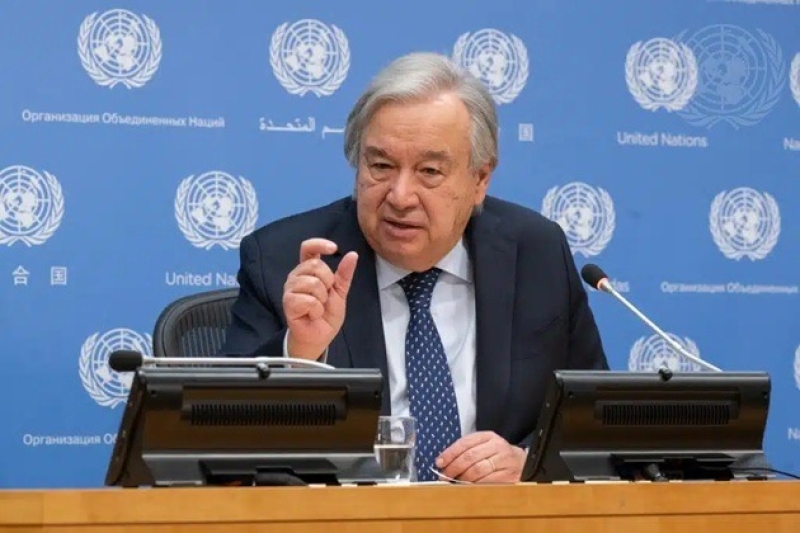
UN Secretary-General Antonio Guterres, “shocked by reports of violence and excessive use of force by Iranian authorities against protesters”, is urging restraint and immediate restoration of communications, as unrest enters its third week. 11 January 2026.
Unlike ever before, Iran’s Islamic regime is facing a revolt led by a generation that has lost its fear. Young and old, men and women, students and workers are flooding the streets across the country.
Iran’s future may hinge on whether its military chooses to act and save the nation, driven by economic collapse, corruption, and decades of repression. Women and girls are at the forefront, protesting without headscarves, defying the clergy that once controlled every aspect of their lives. They are not seeking mere reform; they are demanding freedom, economic relief, and the end of authoritarian rule.
Shutting down the internet, arresting nearly 17,000 protesters, killing at least 3,000—including children—and threats of foreign military intervention have not stopped the public’s resolve. The regime’s ruthless crackdown has been a calamitous wave of repression, taking thousands of lives in a brutal attempt to crush dissent. Yet the people remain undeterred, determined to continue their fight.
Now, however, they need the support of the most powerful domestic—not foreign—force. The Iranian military is the most pivotal institution in the country, capable of catalyzing the regime’s downfall. With its significant internal influence, the military has the capability to drive the necessary change from within, ultimately leading to regime change.
Every officer in the military should ask themselves: How do I want to serve my country?
Do I want to continue to prop up reactionaries—self-obsessed leaders who have long lost relevance, cloaked in false piety while subjugating the people to hardship?
Or should I support the younger generation, yearning for a better life, opportunity, and a meaningful future?
Should I participate in reviving this nation after 47 years of internal decay, or continue preparing for war against Israel instead of investing in the country’s natural and human resources and restoring its ancient glory?
The answer should be clear. The military has the power to establish a transitional government, pave the way for a legitimate, freely elected government, and restore the dignity and freedom of the Iranian people.
The idea that the Shah’s son, Reza Pahlavi, could return and restore a monarchy is contrary to the Iranian people’s needs. They deserve democracy and genuine freedom—not another form of corruption or an old kingdom.
Ultimately, Iran’s destiny may rest on a single choice: whether its military steps forward to reshape the nation’s future.
Dr. Alon Ben-Meir is a retired professor of international relations at NYU’s Center for Global Affairs, where he taught courses on international negotiation and Middle Eastern studies.