

- NYC BNP leaders, activists upbeat ahead of Tarique Rahman’s arrival |
- PM off to New York to attend UNGA |
- 8 Killed in Ashulia Garment Factory Fire |
- Apratim Murder Suspects Confessed, Says Home Minister |
- Dhaka's air decorded unhealthy for sensitive groups Sunday morning |
Gambia Tells UN Court Myanmar Turned Rohingya Lives Hell
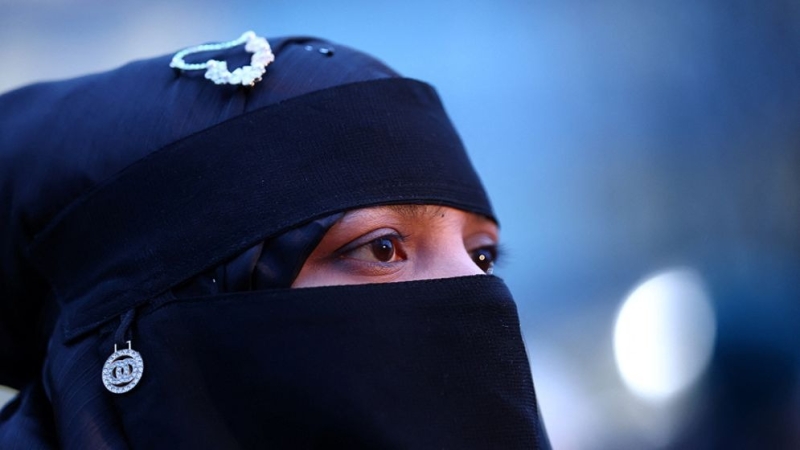
Rohingya refugee Salma speaks to the press as the International Court of Justice (ICJ) starts two weeks of hearings in a landmark case brought by Gambia, which accuses Myanmar of committing genocide against the Rohingya, a minority Muslim group, in The Hague, Netherlands, January 12, 2026.
Gambia on Monday told judges at the United Nations’ highest court that Myanmar deliberately targeted the Rohingya Muslim minority for destruction, turning their lives into what it described as a living nightmare, in a landmark genocide case.
Presenting its arguments before the International Court of Justice (ICJ), Gambia said Myanmar’s actions against the Rohingya met the legal threshold of genocide. The case marks the first full genocide trial heard by the court in more than a decade and is expected to have wider implications for other genocide-related proceedings before the ICJ.
Myanmar has consistently denied committing genocide, insisting its military operations were legitimate security measures. Similar denials have been made by Israel in a separate genocide case filed by South Africa over the Gaza war, which legal experts say could be influenced by the outcome of the Myanmar proceedings.
Addressing the court, Gambian Justice Minister Dawda Jallow said the Rohingya were ordinary people who aspired to live peacefully and with dignity, but were instead subjected to extreme violence.
“They have been targeted for destruction,” Jallow told the judges. “Myanmar denied them their dreams and turned their lives into a nightmare through unimaginable violence and devastation.”
Gambia, a Muslim-majority West African nation, filed the case in 2019, accusing Myanmar of violating the Genocide Convention through systematic abuses against the Rohingya, a largely Muslim minority from Myanmar’s western Rakhine State.
Myanmar’s military launched a major crackdown in 2017, forcing at least 730,000 Rohingya to flee to neighbouring Bangladesh. Refugees described widespread killings, mass rape and the burning of entire villages. A United Nations fact-finding mission later concluded that the military campaign included “genocidal acts.”
Myanmar rejected those findings, arguing that the operation was a counter-terrorism response to attacks by armed groups.
Ahead of the hearings in The Hague, Rohingya survivors said they hoped the case would finally bring justice. “We want the world to recognise that genocide was committed against us and that we deserve justice,” said Yousuf Ali, a Rohingya refugee who said he was tortured by the military.
During preliminary hearings in 2019, Myanmar’s then leader Aung San Suu Kyi dismissed Gambia’s allegations as misleading and incomplete.
Gambia is scheduled to continue presenting its case for several more days, after which Myanmar will respond to the accusations. The court will then hear testimony from Rohingya victims in closed sessions, marking the first time members of the community will directly address an international court.
The full hearings are expected to last three weeks.
The case unfolds amid continued instability in Myanmar following the military takeover in 2021, which ousted the elected civilian government and triggered widespread resistance. The country is currently holding phased elections that have been criticised internationally as neither free nor fair, claims rejected by the military authorities.
Gambia brought the case with the backing of the 57-member Organisation of Islamic Cooperation, seeking accountability for what it describes as one of the gravest human rights crises of recent times.