

- WHO Warns Global Blood Shortages Put Lives at Risk Report |
- US Thrash Paraguay 4-1 in Dream World Cup Start |
- FY27 Budget Reflects Public Aspirations: Khosru |
- 3 Red Cards Mar Mexico vs South Africa World Cup Opener |
- Hwang In-beom inspires South Korea's 2-1 victory over Czech Republic |
Layoff Fears Mount As Industrial Sector Struggles
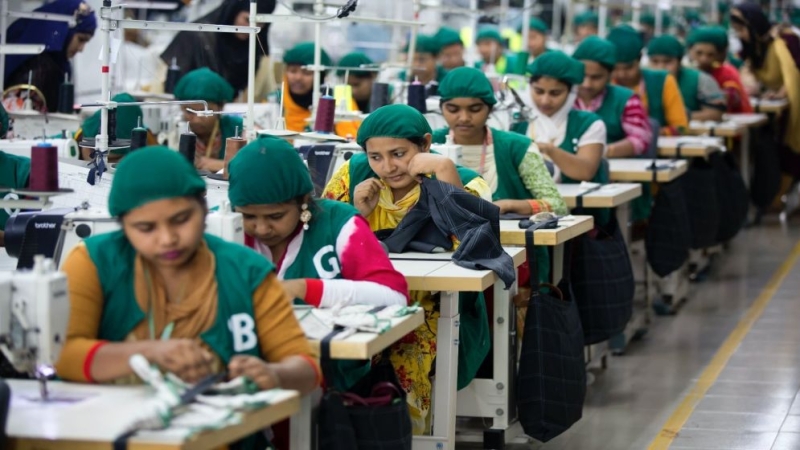
Bangladesh’s industrial sector is under growing pressure due to global economic uncertainty, energy shortages, declining export orders and frequent power disruptions. As factories struggle to sustain production, many units are shutting down almost every month, raising concerns about rising unemployment across the country.
Industry owners say a large number of factories are now operating at a loss because of reduced output and weak demand. To manage financial stress, many employers are being forced to cut jobs, leaving thousands of workers worried about their livelihoods.
In the ready-made garment sector, stakeholders say the business environment has remained unstable in recent years, with periods of uncertainty discouraging investment and smooth operations. Although there were brief signs of recovery over the past year, overall production trends remain uneven and under pressure.
The impact is visible across major industrial hubs. In Savar, several factories have reduced their workforce. Recently, one major group laid off over 1,800 workers from multiple garment units, triggering protests in Ashulia areas including Radio Colony, Ulail and Zirabo. Workers also blocked parts of the Dhaka-Aricha Highway demanding reinstatement and payment of dues.
In Chattogram, several medium-sized factories have shut down in the past year due to financial losses. Workers in some units report unpaid salaries and uncertainty over continued employment.
Narayanganj, which hosts a large number of garment factories, has also seen declining production. While larger factories are still operating, smaller units are struggling, forcing many employers to reduce staff to survive.
Workers affected by layoffs say they have not only lost their jobs but also faced months of unpaid wages, leaving them in severe financial distress. Many say finding new employment in the current situation is increasingly difficult.
Labour leaders warn that job losses have increased before and after major holidays, affecting thousands of workers and creating instability in industrial zones.
Although Gazipur has not seen large-scale layoffs recently, several factories have reduced their workforce due to lower orders and operational challenges. In some cases, workers say dismissals were sudden, deepening uncertainty among employees.
Industrial police data shows hundreds of workers have been laid off from multiple factories in recent months due to lack of orders, excess workforce, labour disputes and compliance issues.
Business leaders acknowledge the difficult situation, saying many companies are struggling to stay afloat. They stress that while job cuts may be unavoidable for some firms, workers must receive all legally entitled dues.
Authorities say factories are generally following labour regulations during layoffs, including issuing notices and clearing payments, though many workers claim they are informed only after dismissal.
The ongoing wave of layoffs highlights the deepening strain on Bangladesh’s industrial sector, as businesses struggle with economic pressures while workers face growing uncertainty about their future.