

- PM Tarique inaugurates three pilot SDG villages |
- Indian High Commissioner Trivedi meets PM Tarique |
- SSC, Equivalent Exam Results Published, Pass Rate 62.25% |
- Global Oil Prices Rise Again Amid Hormuz Uncertainty |
- 17 Bangladeshis Killed in Saudi Arabia Factory Fire |
US Gives $1bn to UN Food and Child Aid Agencies
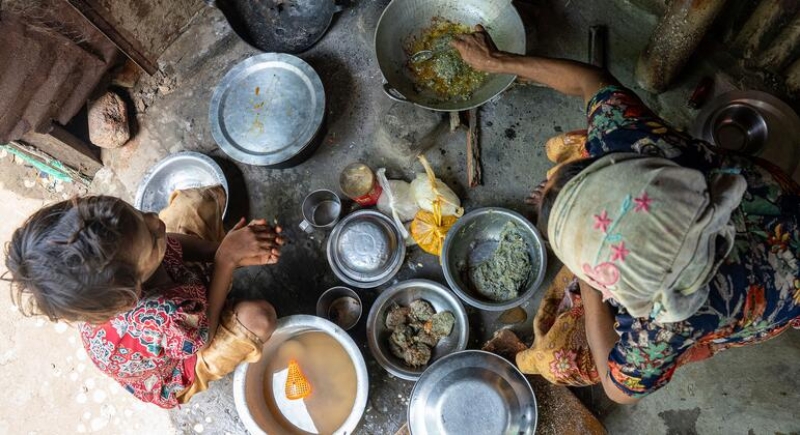
Families in Myanmar have been hit hard by rising prices, with the most vulnerable struggling to meet their daily needs.
Two United Nations agencies have welcomed more than $1 billion in combined assistance from the United States to support humanitarian operations targeting millions of children and vulnerable families across more than 40 countries.
This week, the US State Department announced more than $800 million in funding for the World Food Programme (WFP) and a partnership worth more than $218 million with the UN Children’s Fund (UNICEF).
The funding comes at a critical time as global hunger reaches record levels, humanitarian needs continue to rise, and aid resources face growing pressure. The latest contribution follows nearly $4 billion in US pledges to UN humanitarian operations in recent months.
The contribution to WFP will support life-saving food and nutrition assistance for more than 38 million people across at least 37 countries.
WFP Acting Executive Director Carl Skau described the funding as a vital lifeline for vulnerable communities.
He said the support would help reach people on the brink of famine, provide nutritional assistance to mothers and children, and ensure food supplies are positioned to prevent millions from slipping deeper into extreme hunger.
The funding will allow WFP to deliver aid more quickly and efficiently through its global logistics network, pre-positioned food supplies, and data-driven targeting systems.
The support will focus on key areas including disaster preparedness and rapid emergency response in vulnerable regions such as Latin America and the Caribbean, Asia, and the Indo-Pacific, where natural disasters frequently threaten communities.
It will also strengthen emergency food and nutrition operations in complex and long-term humanitarian crises.
Skau highlighted several priority areas, including expanding hunger relief efforts in Lebanon, increasing cash assistance for displaced families in Haiti, and strengthening food and logistics supply chains in Ebola-affected areas of the Democratic Republic of the Congo.
He also called for broader international support to address worsening global hunger.
WFP stressed the importance of bilateral funding at a time when extreme hunger continues to destabilise communities, fuel migration, increase insecurity, and deepen economic hardship.
Meanwhile, UNICEF said its 12-month partnership with the United States will help accelerate life-saving support for children affected by natural disasters and humanitarian crises, particularly those suffering from severe malnutrition and wasting.
The initiative is among the largest humanitarian partnerships focused on child survival and well-being.
UNICEF Executive Director Catherine Russell said the investment would help the agency reach children faster with critical assistance, strengthen local systems and partnerships, and expand access to essential nutrition services.
The partnership will support emergency operations across all UNICEF regions and major humanitarian crises, with targeted investments in Ethiopia, Myanmar, and Ukraine.
Through its nutrition programmes, UNICEF expects to screen more than 4.4 million children for malnutrition and provide treatment to nearly 950,000 children suffering from severe wasting.
The funding will also help strengthen global supply chains for ready-to-use therapeutic food (RUTF), improving access to treatment in some of the world’s most challenging operating environments.
Beyond direct aid, the partnership will support efforts to improve efficiency, strengthen local leadership, and enhance coordination across global humanitarian operations.