

- Dhaka to maintain ties with all countries with dignity |
- Historic Chawk Bazar comes alive with iftar items on first day of Ramadan |
- CAB demands action over obstruction to drive against price hike |
- Remittance inflow crosses $2 billion in just 18 days of February |
- Two killed, 10 injured in Madaripur bus collision |
Brain Shows Signs of Activity After Heart Stops, Study Finds
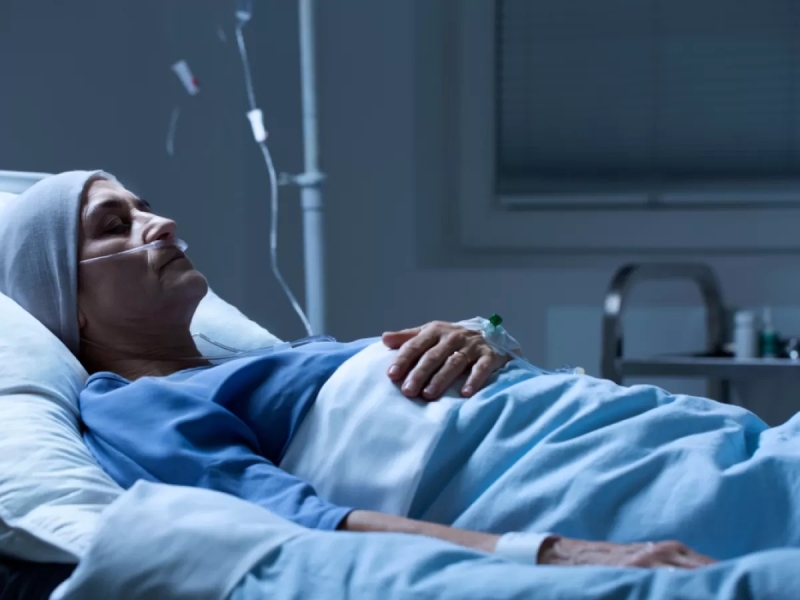
A new study indicates that the human brain may remain active and conscious for a period after the heart stops beating, challenging long-held beliefs about the moments following death.
The research, led by Dr Sam Parnia, examined 53 cardiac arrest survivors across 25 hospitals in the United States and the United Kingdom. Cardiac arrest, the sudden cessation of the heart, has traditionally been thought to cause irreversible brain damage within about 10 minutes due to oxygen deprivation.
Published in the journal Resuscitation, the study detected brain activity during resuscitation efforts, sometimes lasting up to an hour after the heart had stopped. Around 40% of patients reported conscious thoughts or memories during their clinical death, with some recalling conversations and events occurring in the room. Brain scans showed spikes in brain waves linked to thinking and awareness.
Dr Parnia noted that the findings suggest the brain may be more resilient than previously understood. He added that a better understanding of this phenomenon could improve CPR techniques and the treatment of brain injuries following cardiac arrest.
The study has sparked debate among medical experts regarding the nature of consciousness and how death is defined. Researchers say the findings may help refine resuscitation practices and deepen knowledge of how the human brain responds to extreme stress and oxygen deprivation.