

- Bangladesh stocks end week higher on upbeat mood |
- BDR name will be restored, army won't be used for politics: Tarique |
- Hili land port highway upgrade delayed again, cost Tk 588cr up |
- Tarique vows quick execution of Teesta Master Plan if elected |
- How Undecided voters May Decide the Election |
Cholera Vaccine Drives Resume as Global Supply Grows
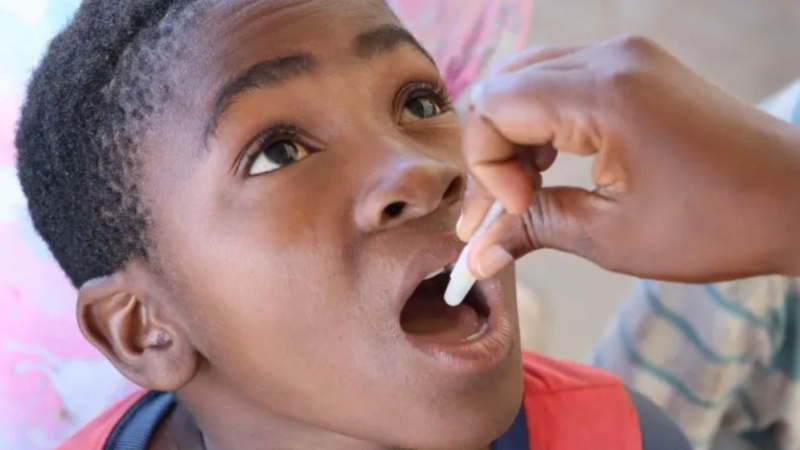
Global supplies of cholera vaccines have increased enough to allow the resumption of life-saving preventive campaigns for the first time in more than three years, international health agencies announced.
Mozambique has become the first country to restart preventive vaccination after such efforts were halted in 2022 due to a global surge in cholera cases that strained supplies of oral cholera vaccine (OCV). The renewed campaign comes amid an ongoing outbreak and in the aftermath of severe floods that affected more than 700,000 people, displaced many families, and damaged water and health systems — conditions that heighten the risk of waterborne diseases.
Health leaders say the improved vaccine availability marks a turning point in the global response. “Global shortages forced us into a cycle of reacting to outbreaks instead of preventing them. We are now in a stronger position to break that cycle,” said the head of the World Health Organization (WHO), praising manufacturers for expanding production and urging others to enter the field.
An initial 20 million vaccine doses have been allocated for preventive campaigns. Of these, 3.6 million doses have been delivered to Mozambique, 6.1 million to the Democratic Republic of the Congo, which is also battling major outbreaks, and 10.3 million doses are planned for Bangladesh.
Annual global supply of OCV has nearly doubled, rising from 35 million doses in 2022 to about 70 million doses in 2025. The vaccines are financed by Gavi, the Vaccine Alliance, and procured and delivered by UNICEF.
Public health officials say the expansion of supply is critical as cholera cases have surged in recent years. “For the first time in years, this increase in vaccines will help us better prevent large-scale cholera emergencies,” said UNICEF’s Executive Director, stressing that vaccination must go hand in hand with improved access to safe water and sanitation.
The countries selected for preventive campaigns were chosen using allocation criteria set by the Global Task Force for Cholera Control, a partnership of more than 50 organizations. The aim is to ensure vaccines are distributed equitably and reach communities at highest risk.
Experts caution that vaccination alone is not enough. While the OCV is safe and effective for people over one year old — with one dose providing short-term protection and two doses offering protection for up to three years — long-term progress depends on sustained investment in water, sanitation and hygiene systems, as well as strong disease surveillance and rapid treatment.
Cholera spreads through contaminated food and water, causing severe diarrhoea and dehydration that can be fatal if untreated. It thrives in areas lacking safe water and sanitation, particularly in communities affected by conflict, poverty and natural disasters.
More than 600,000 cholera or acute watery diarrhoea cases and nearly 7,600 deaths were reported from 33 countries last year, though the true figures are believed to be higher due to underreporting. Although cases declined in 2025, deaths have continued to rise, underscoring the need for both emergency response and long-term prevention measures.